
On September 28, CHANDO Group and the Shanghai Institute of Nutrition and Health, Chinese Academy of Sciences, jointly held a kickoff meeting in Shanghai for collaborative projects under the “Joint Laboratory for Scientific Beauty and Health” (the “Joint Laboratory”). Zheng Chunying, Chairman and President of CHANDO Group, led the Group’s delegation. Focusing on the Joint Laboratory’s four collaborative research projects, the two sides discussed research directions, overall objectives and implementation mechanisms. The meeting marked a new phase in their partnership, moving from the laboratory’s inauguration to the in-depth implementation of research projects.
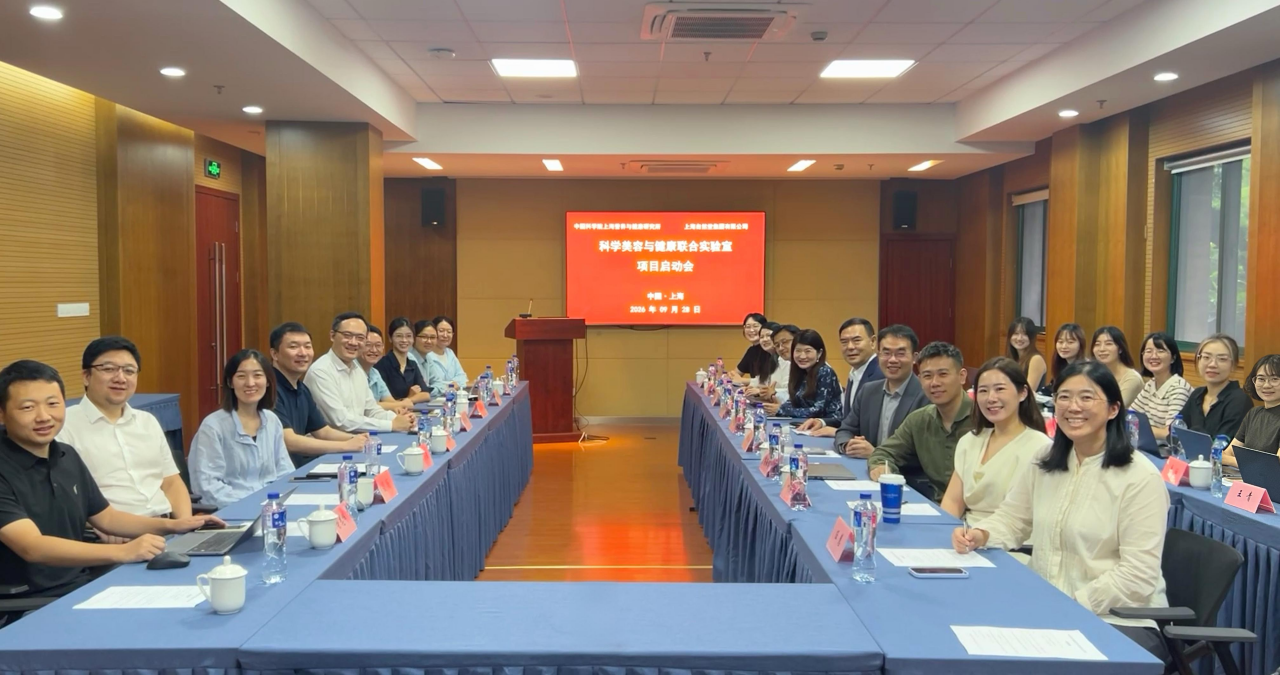
Photo: Kickoff meeting for collaborative projects under the Joint Laboratory for Scientific Beauty and Health
Integrating Industry, Academia and Research to Advance Science-Based Skincare through Basic Research
The Joint Laboratory was officially inaugurated in April this year at the Second China Women’s Anti-Fatigue Aging Science and Technology Forum, organized by China Cosmetics magazine and hosted by CHANDO. Jointly established as a platform for industry–academia–research collaboration, the laboratory combines the Institute’s extensive expertise in human phenomics, nutritional metabolism and aging research with CHANDO Group’s years of skin science research and commercialization capabilities. Together, the partners aim to explore a Chinese approach to “scientific beauty and health.”
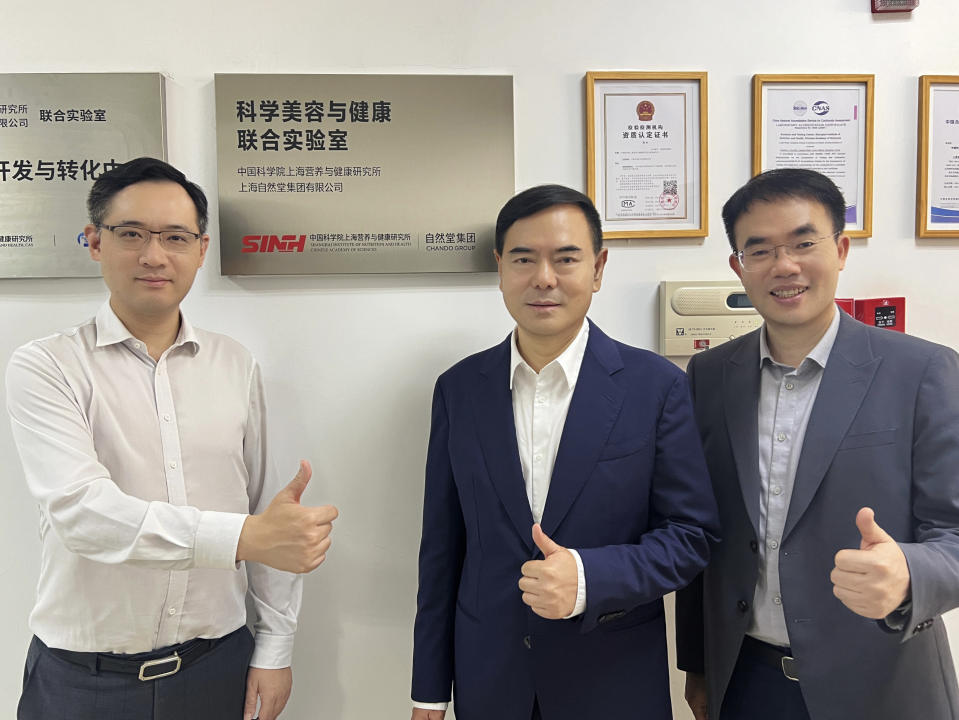
Photo: Joint Laboratory for Scientific Beauty and Health
At the kickoff meeting, Professor Wang Sijia, Director of the Shanghai Institute of Nutrition and Health, Chinese Academy of Sciences, noted that the Institute adheres to the “Four Orientations” for scientific research, with a particular focus on people’s lives and health. As part of China’s strategic scientific and technological strength, the Institute’s close collaboration with an industry leader to safeguard public health is a concrete expression of its mission and responsibility. As the project lead, he also emphasized that companies that place a high value on basic research have strong prospects for growth, and that CHANDO exemplifies this commitment among Chinese brands.
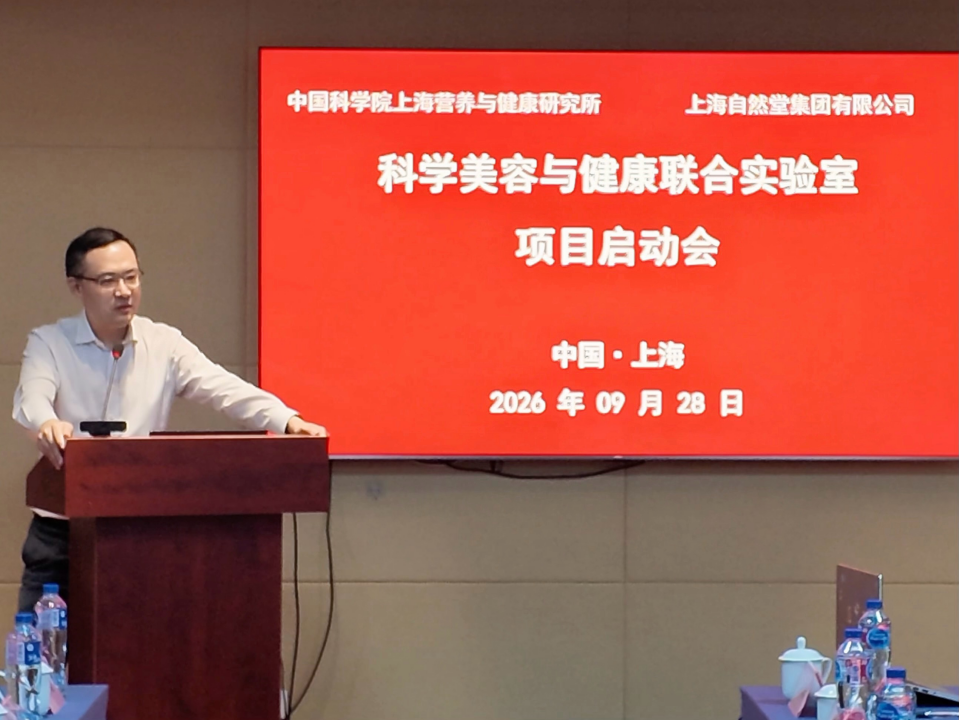
Photo: Remarks by Professor Wang Sijia, Director of the Shanghai Institute of Nutrition and Health, Chinese Academy of Sciences
Dr. Zou Yue, Vice President of R&D and Chief Scientist of CHANDO Group, highlighted the Group’s longstanding partnerships with research institutions across the Chinese Academy of Sciences. CHANDO Group places skin science research at the beginning of its product innovation process, and the application of findings from its earlier collaboration with the Institute of Nutrition and Health has already received positive market feedback. He expressed his hope that the Joint Laboratory would continue to translate research findings into commercial applications, bringing advances in skin science to bear on public health needs.
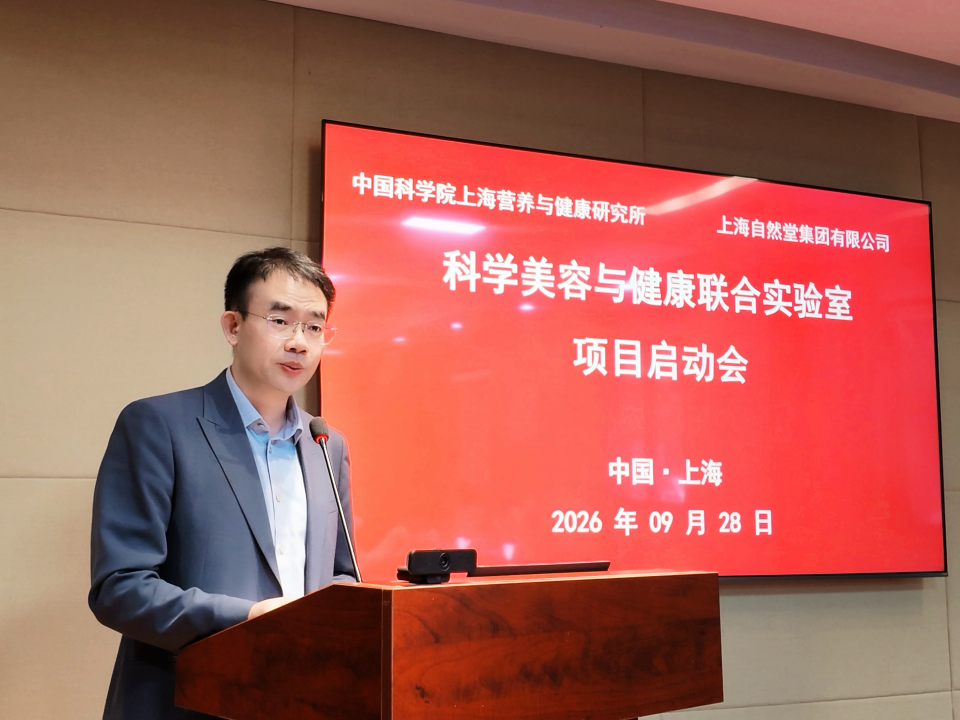
Photo: Remarks by Dr. Zou Yue, Vice President of R&D and Chief Scientist of CHANDO Group
Four Research Projects Exploring the Frontiers of Skin Science in the Chinese Population
During the project presentations, Li Bingjie, Associate Researcher, and Liu Tianzi, Assistant Researcher, from the Institute’s Human Phenomics Research Group, together with Professor Zhou Ben, Head of the Research Group on Energy Metabolism Regulation and Aging-Related Diseases, presented on four research areas: aging clocks, skin barrier subtyping, regulation of sebum metabolism, and mitochondria-focused anti-aging research.
Li Bingjie presented two projects: “Precision Subtyping and Repair Strategies for Skin with a Compromised Barrier in the Chinese Population” and “Collaborative Research on Regulatory Solutions Based on the Characteristics of Skin Sebum Metabolism in the Chinese Population.” The first focuses on precise skin barrier subtyping in the Chinese population. It involves quantitatively assessing skin barrier health, analyzing the relationship between barrier health and skin aging, and screening targets and candidate ingredients associated with different barrier subtypes, providing a theoretical foundation and research leads for barrier repair strategies. The second examines patterns of skin sebum secretion across population groups, systematically analyzing their distribution, influencing factors and associated skin concerns. It will also screen potential molecular targets to provide population-based evidence for understanding the patterns underlying different types of oily skin.
Liu Tianzi presented the project “Research into the Coordinated Characteristics of Facial Skin Phenotypic Aging and Systemic Physiological Aging, and Exploration of Precision Anti-Aging Strategies.” Building on the partners’ joint big-data research into facial skin aging phenotypes among Chinese women, initiated in 2024, the project aims to screen active ingredients against aging-clock and fatigue-related aging targets, exploring the scientific basis for precision anti-aging interventions in the Chinese population.
Zhou Ben presented the project “Mechanisms of Active Ingredients that Delay Skin Aging by Modulating Mitochondrial Function, and In Vitro Cellular Efficacy Studies.” Focusing on cellular energy metabolism, a frontier in aging research, the project will investigate the relationship between mitochondrial function regulation and skin aging. It will systematically evaluate how candidate ingredients modulate mitochondrial function in skin cells, providing research support for ingredient screening and defining efficacy profiles.
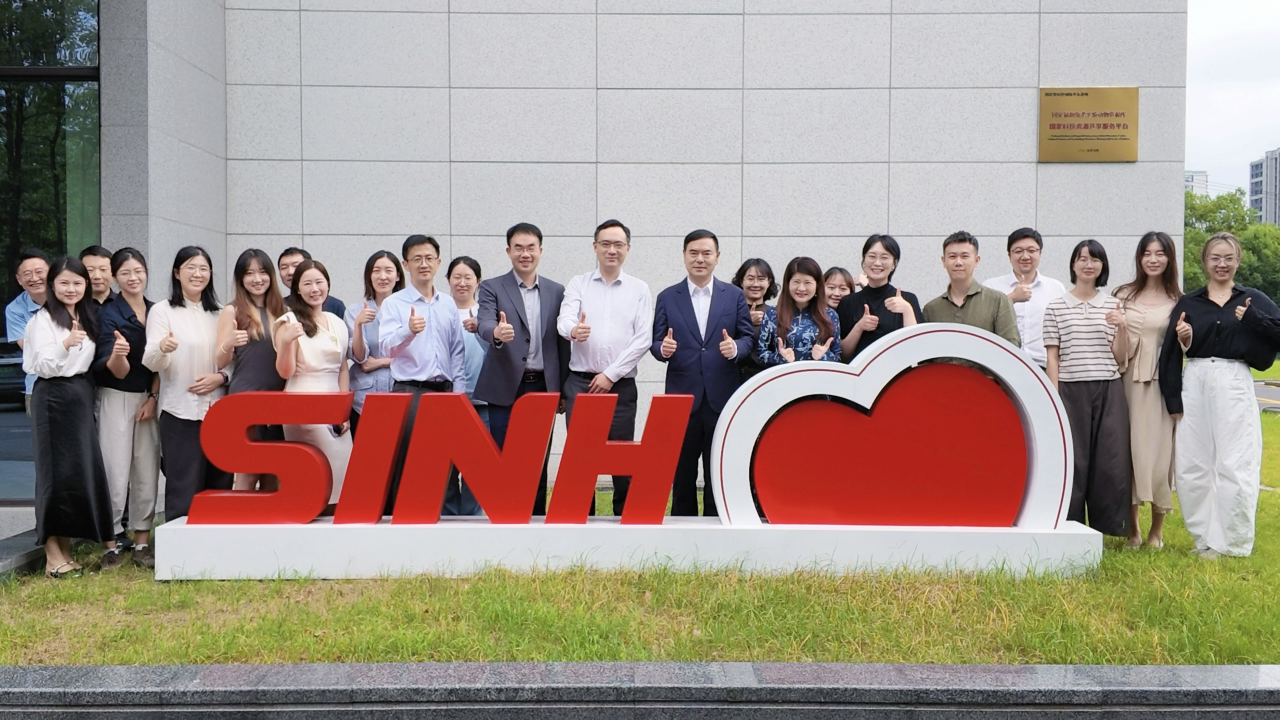
In his concluding remarks, Zheng Chunying, Chairman and President of CHANDO Group, noted that the two partners have long shared closely aligned research philosophies and development directions, with complementary strengths in scientific research and areas of focus. The project kickoff meeting both builds on this well-established partnership and marks a deeper phase of collaborative innovation.
Going forward, the two partners will further establish regular project communication and joint research mechanisms, translating research findings into both product innovation and science communication. By advancing skin science for the Chinese population from basic research to precision applications, they aim to offer consumers skincare solutions grounded in stronger scientific evidence and create a model of industry–academia–research collaboration in “scientific beauty and health.” They seek to turn high-level scientific and technological achievements into active drivers of new quality productive forces, and to translate research breakthroughs into powerful momentum for enhancing people’s beauty and health.