
From August 31 to September 2, 2026, the 2026 CHANDO Sustainable Himalayan Biodiversity Conservation Project was officially held in Nyingchi, Xizang. Under the theme “Creating a More Beautiful World,” the initiative explored innovative pathways for biodiversity conservation and sustainable development in the Himalayan region through a range of activities, including a new book launch, scientific field expeditions, academic seminars and community visits.
The year 2026 marks the 10th anniversary of the establishment of the “CHANDO Himalayan Public Welfare Special Fund” by CHANDO and the China Environmental Protection Foundation. The event presented the collective achievements of a decade of biodiversity conservation, with the aim of promoting coordinated environmental, social and corporate development across the Himalayan region through more systematic and science-based actions.
From Awareness to Action: Discovering the Biodiversity of the Third Pole
The Himalayas are not only a source of inspiration and ingredients for CHANDO’s pursuit of beauty, but also one of the world’s most significant reservoirs of biodiversity. As a vital foundation for biodiversity conservation, science education serves as an essential bridge connecting the public with rare and valuable ecosystems while promoting the principles of sustainable development.
Against this backdrop, CHANDO collaborated with the China Environmental Protection Foundation, the Institute of Tibetan Plateau Research of the Chinese Academy of Sciences, the Xishuangbanna Tropical Botanical Garden of the Chinese Academy of Sciences and other institutions to compile The Mysteries of the Himalayas: A Guide to Common Plants of Mount Sejila. Taking Mount Sejila, known as a “living museum of plants,” as its focus, the guide systematically explores the survival strategies and ecological value of 111 representative alpine plant species across six dimensions, including sex and reproduction, alpine greenhouse effects, color-based pollination strategies, phenotypic plasticity and medicinal value on the plateau. Combining scientific rigor with accessible storytelling, the book features original hand-drawn illustrations alongside photographs taken during scientific field expeditions. By bringing scientific research beyond the laboratory, it enables a broader audience to understand the resilience of life on the plateau, while bringing CHANDO’s 17-year journey alongside the Himalayas and its enduring commitment to “Drawing from Nature, Giving Back to Nature” to life in a more direct and compelling way.
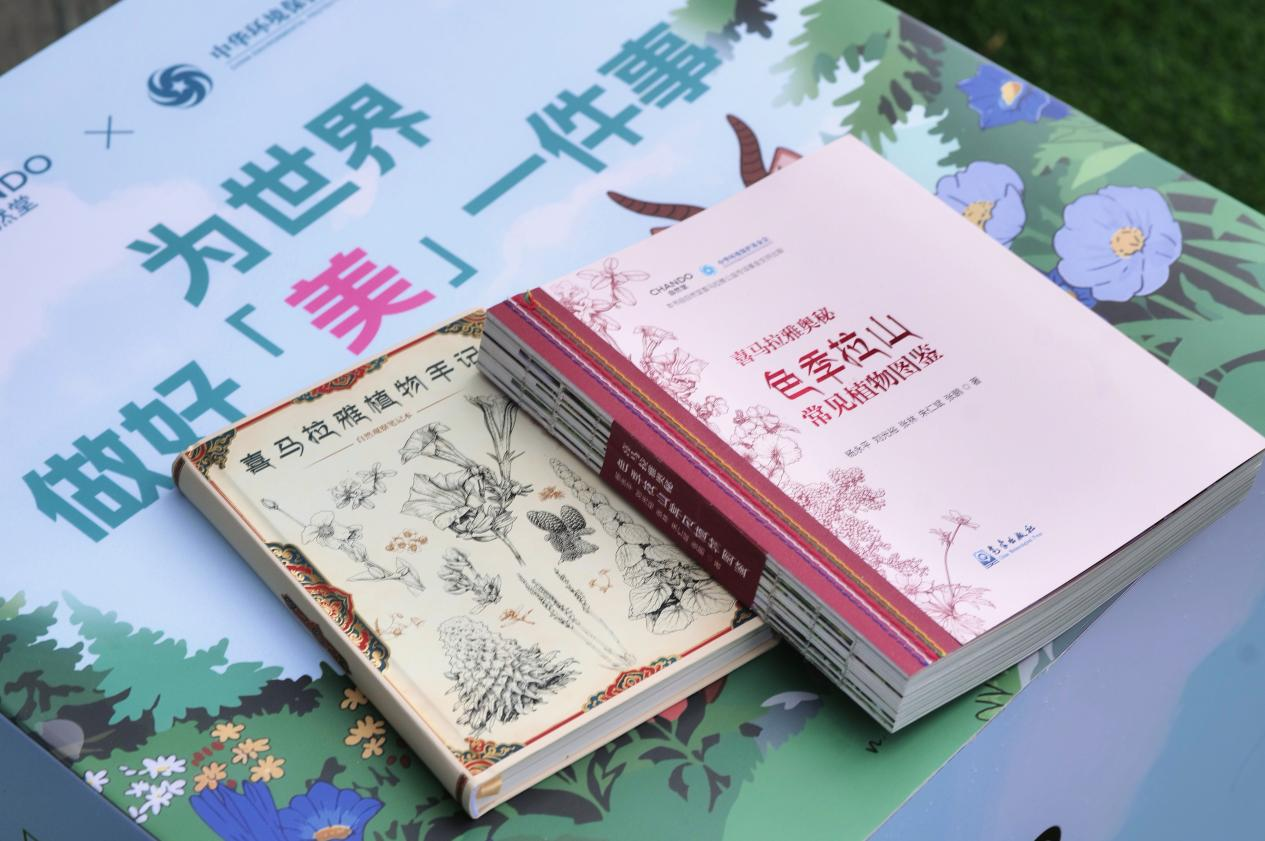
The Mysteries of the Himalayas: A Guide to Common Plants of Mount Sejila and Himalayan Plant Field Notes
To vividly showcase the extraordinary diversity of life in the Himalayas, CHANDO organized visits for more than 30 experts, scholars and media representatives to the CHANDO Group Himalayan Research Center, the CHANDO Himalayan Public Welfare Botanical Garden and Yayi Valley during the event. Participants observed the natural habitats of rare alpine plants at close range, conducted field studies of ecological cultivation and artificial domestication projects involving gentian and other plateau plants, learned about CHANDO’s practices in the conservation-oriented development of rare plant resources, and experienced first-hand the unique value of Himalayan biodiversity.
Building Cross-Sector Consensus to Explore Himalayan Biodiversity Conservation
Biodiversity conservation cannot be achieved by any single stakeholder alone. It is a systemic undertaking that requires close engagement and cross-sector collaboration among governments, businesses, research institutions, social organizations and other stakeholders. On September 1, CHANDO hosted the launch of The Mysteries of the Himalayas: A Guide to Common Plants of Mount Sejila and the Biodiversity Conservation Seminar.
In her remarks, Baima Laji, Level IV Researcher of the Lulang Area Administrative Committee, noted that Lulang lies in the heart of Mount Sejila and serves as an important ecological security barrier on the Qinghai-Xizang Plateau. Its rich biodiversity represents both its most valuable ecological asset and a core advantage for the high-quality development of culture and tourism. Drawing on the metaphor, “Though plants are silent, the mountains and rivers speak,” she said the publication of the guide would serve as an opportunity to put into practice the principle that “lucid waters and lush mountains are invaluable assets,” create mutual benefits between ecological conservation and cultural and tourism development, and open a new chapter of high-quality development for Lulang.
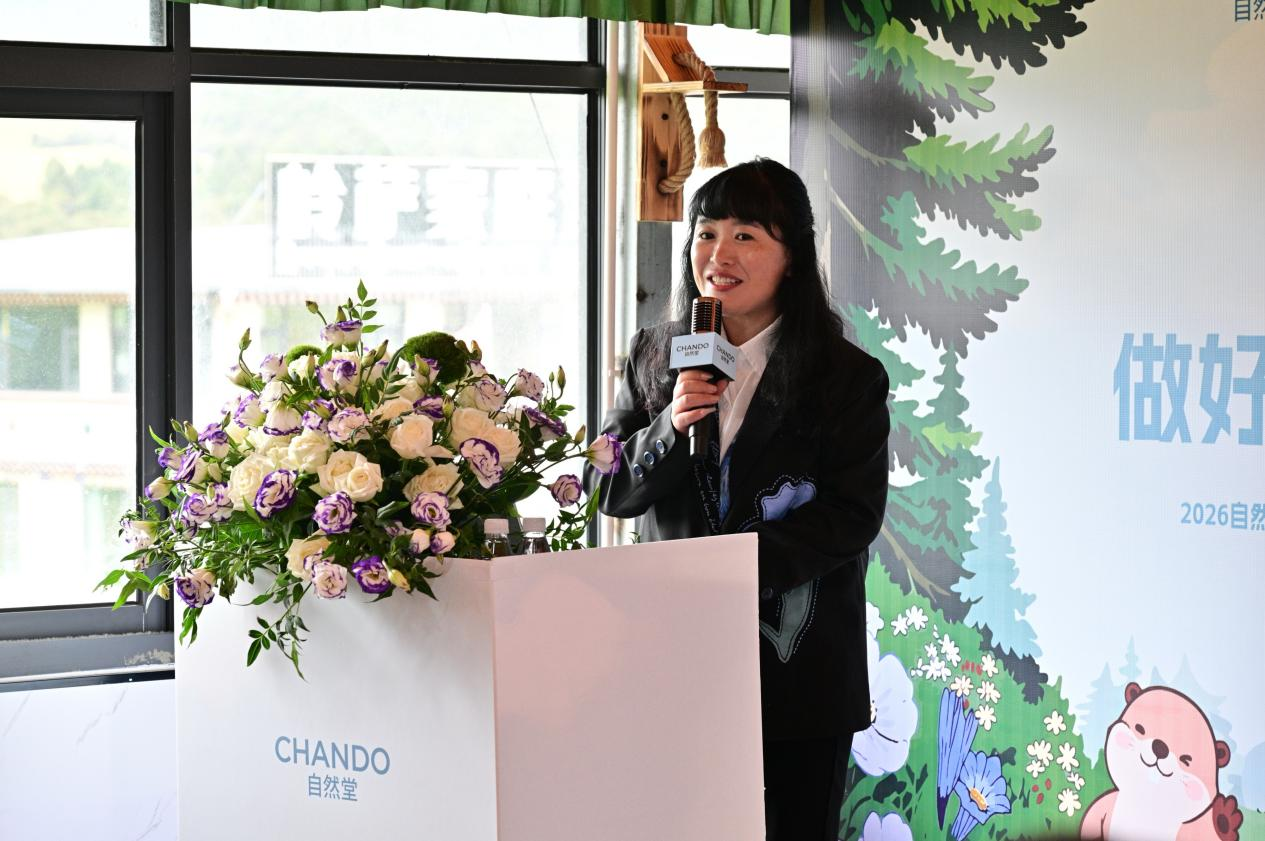
Baima Laji, Level IV Researcher of the Lulang Area Administrative Committee
Wang Zhengang, Deputy Secretary-General of the China Environmental Protection Foundation, stated in his remarks that over the 10 years since the establishment of the CHANDO Himalayan Public Welfare Special Fund, cumulative public welfare expenditure has reached RMB 31.2 million. From “CHANDO Planting Grass in the Himalayas” and major disaster relief efforts to the comprehensive upgrade of its biodiversity conservation initiatives, the Fund has actively responded to the three core objectives of the United Nations Convention on Biological Diversity (CBD). In his view, the newly released guide delivers value on three levels: it is a “living archive” of the plateau ecosystem, helping fill a gap in public knowledge of regional species while providing baseline data for future ecological monitoring; a “report card” of public welfare conservation efforts, vividly demonstrating the deep integration of corporate social responsibility and ecological conservation; and a “textbook” for public participation in environmental protection, enabling more people to see and appreciate plateau species from the remote snow-covered mountains and encouraging broader participation in ecological conservation. He added that the Foundation would continue to deepen its commitment to plateau ecological conservation, innovate public welfare models, and pursue mutually reinforcing ecological, social and economic benefits.
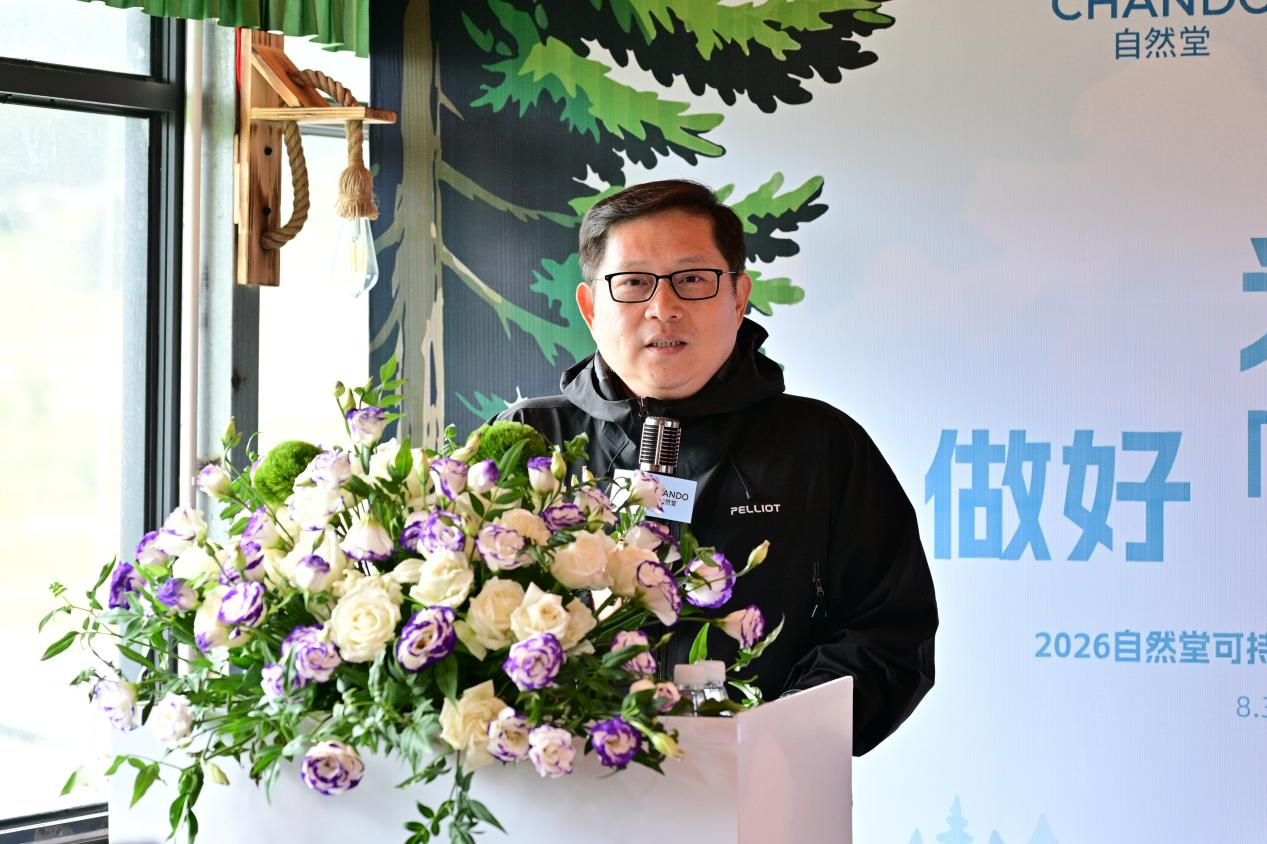
Wang Zhengang, Deputy Secretary-General of the China Environmental Protection Foundation
Following the remarks, Xu Guang, Chairman of the China Environmental Protection Foundation, presented CHANDO Group with a certificate recognizing RMB 31.2 million in donations, commemorating a decade of partnership in conservation.
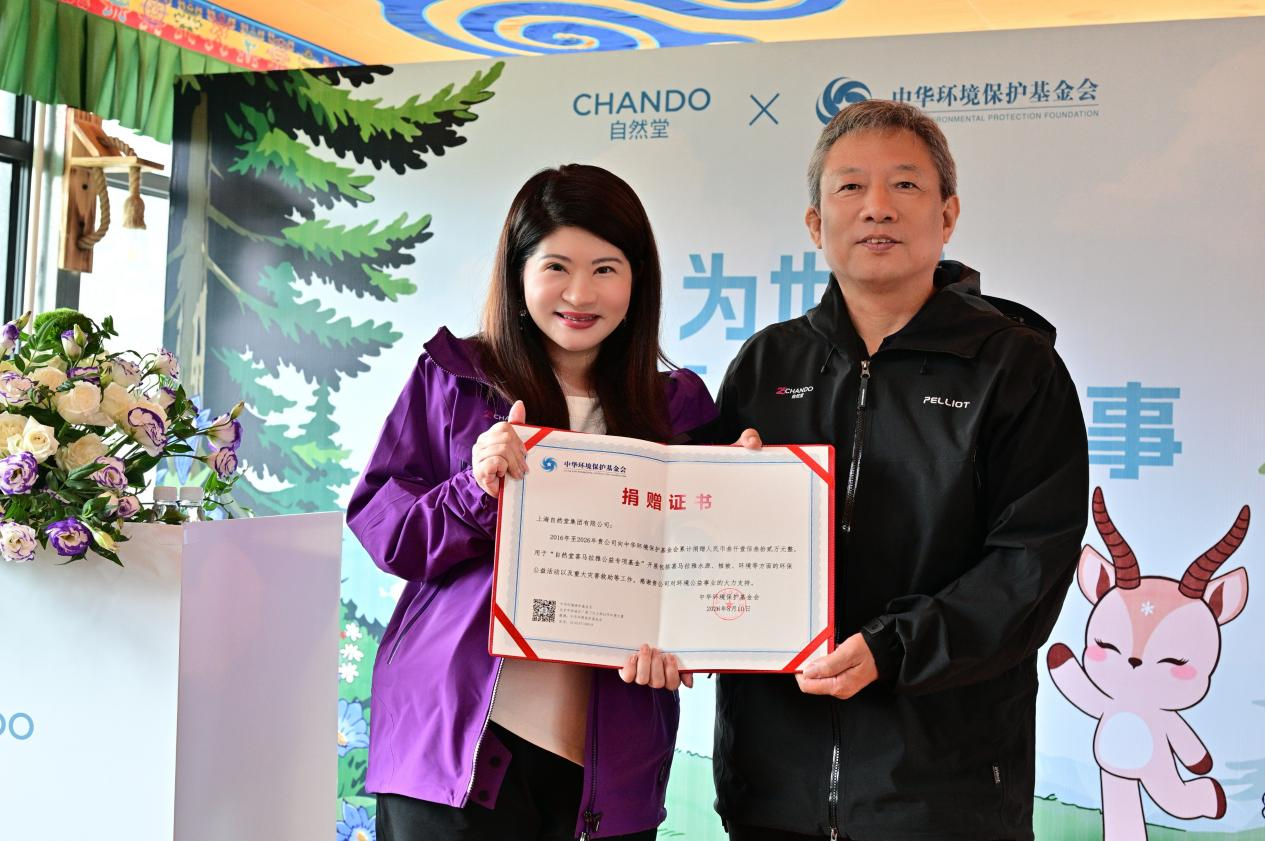
Presentation Ceremony for the RMB 31.2 Million Donation Certificate
Under the theme “Protecting Himalayan Biodiversity, Advancing Toward a Sustainable Future,” Dr. Chen Juanling, General Manager of Public Affairs at CHANDO Group, shared her reflections from her 43rd visit to the Himalayas. Looking back on CHANDO’s 17 years of engagement with the Himalayas and a decade of sustained public welfare efforts, she noted that CHANDO has always believed that “a lack of awareness is one of the greatest barriers to conservation, and science education is the first step in every conservation effort.” It was with this belief that CHANDO joined the China Environmental Protection Foundation and research teams from the Chinese Academy of Sciences to create the plant guide, bringing scientific research beyond the laboratory and enabling plateau life to be seen and understood by a broader audience. In her view, “Conservation does not mean isolating nature from people. It means using technology to make the value of rare resources replicable.” Through scientific research, CHANDO is working to ensure that “conservation” and “development” are no longer treated as mutually exclusive choices.
She also reviewed the evolution from “CHANDO Planting Grass in the Himalayas” to a comprehensive, full-chain biodiversity conservation program, emphasizing the importance of both leveraging technology to enable the sustainable development of biological resources and implementing benefit-sharing so that local communities protecting the region can tangibly share in its ecological benefits. “Corporate sustainability should be measured not only by the numbers behind growth, but also by the nature of that growth.”
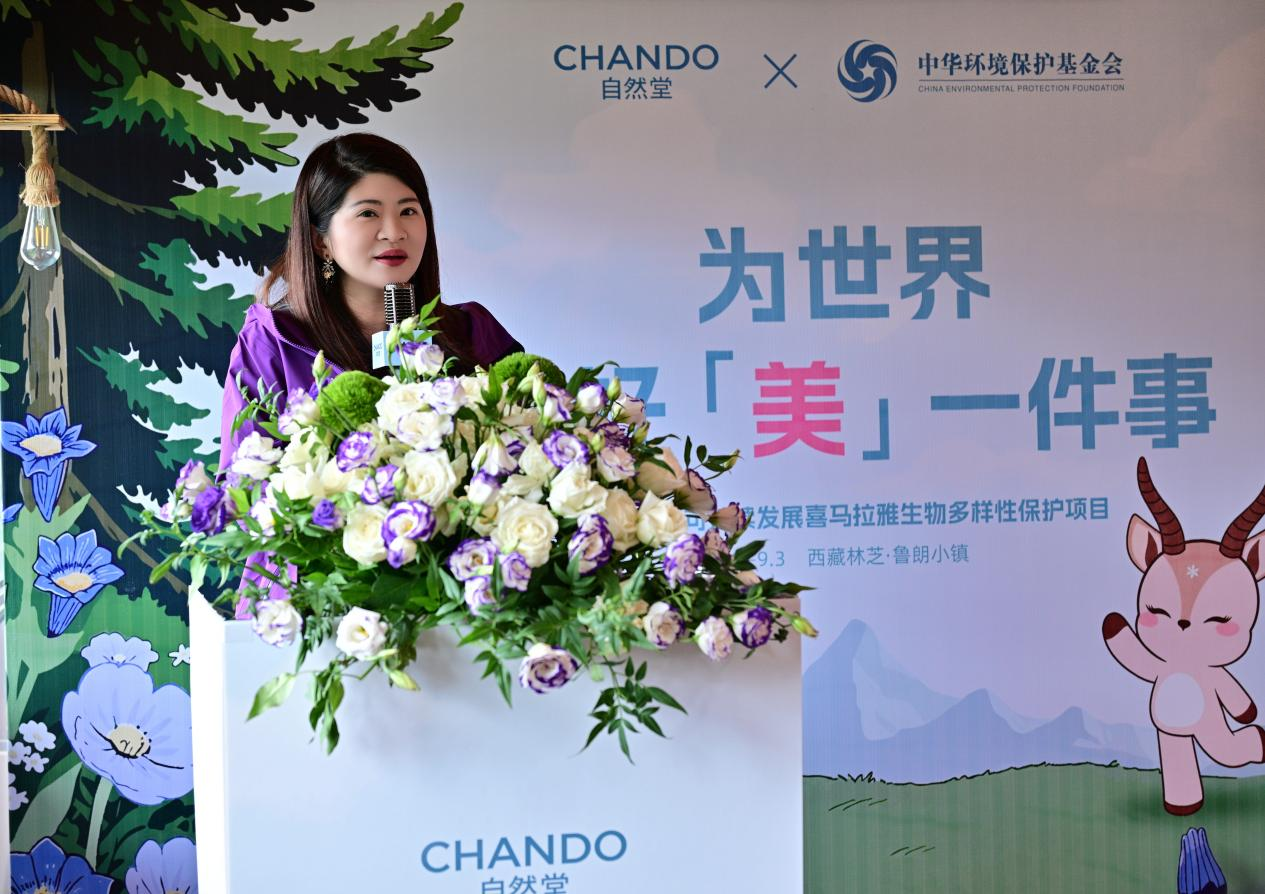
Dr. Chen Juanling, General Manager of Public Affairs at CHANDO Group
Dual Certifications Announced: China’s First Corporate Biodiversity Performance Assessment Certificate Awarded
At the launch event, two authoritative certifications issued by the China Quality Certification Centre (CQC) were officially announced. Yu Jie, Director of the Green Development Division at CQC, presented CHANDO Group with the product carbon footprint verification certificate for the Little Purple Bottle and provided an interpretation of the results. The 7th Generation CHANDO Little Purple Bottle Age-Defying Essence completed a cradle-to-gate product carbon footprint assessment in accordance with the international ISO 14067 standard. The carbon footprint of each bottle of the essence is 0.39 kg CO₂e, approximately equivalent to the emissions associated with the electricity consumed by a household hair dryer running continuously for 20 minutes.
At the corporate level, Wu Wei, Director of CQC’s Shanghai Branch, presented CHANDO Group with China’s first Corporate Biodiversity Performance Assessment Certificate. The assessment framework encompasses five dimensions: policy and strategy, governance and management, performance and outcomes, information disclosure, and ecological impacts and contributions. CHANDO Group received an A rating for 2025. Beyond being the first recipient of the certificate, CHANDO Group also contributed to the development of the standard itself, participating extensively in the formulation of China’s first corporate biodiversity performance assessment standard. By incorporating its practical experience into the framework, CHANDO has contributed replicable methodologies and case studies to the industry.
The issuance of these two authoritative certifications demonstrates that CHANDO has established a measurable and traceable framework for its sustainability practices, setting a benchmark for ESG practices in the beauty industry.
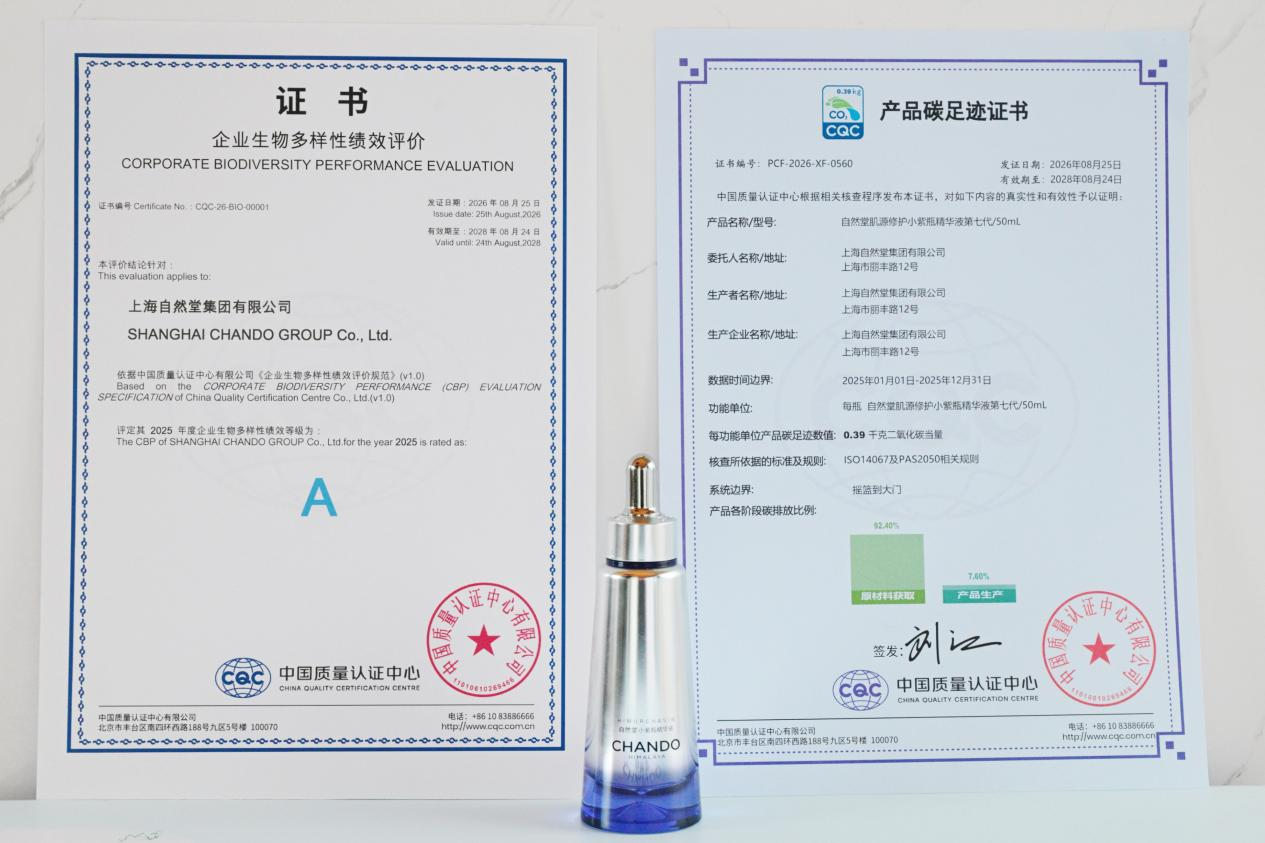
CHANDO Group Corporate Biodiversity Performance Assessment Certificate and Little Purple Bottle Product Carbon Footprint Verification Certificate
Official Unveiling of the Plant Guide: A Milestone in Himalayan Plant Science Education
At the launch event, members of the guide’s core editorial team took to the stage to share the story behind its compilation and reveal the unique survival strategies of plants on the snow-covered plateau.
Professor Yang Yongping, Researcher at the Xishuangbanna Tropical Botanical Garden of the Chinese Academy of Sciences, delivered a presentation titled “From Survival Strategies to Conservation Through Coexistence.” As a key contributor to the guide, he drew on his extensive field expedition experience on Mount Sejila to explain the remarkable survival strategies of alpine plants: Rheum nobile accumulates nutrients for decades before flowering only once in its lifetime to reproduce; Arisaema erubescens can switch between male and female reproductive functions depending on its available resources; and some plants have evolved nodding flowers to protect themselves from intense ultraviolet radiation and rainfall on the plateau. “Understanding leads to caring; caring leads to action; and action gives conservation hope,” Yang said. He explained that the guide was compiled to translate scientific knowledge into accessible public education and overcome barriers to understanding, while corporate benefit-sharing should give back to local communities through multiple pathways, including scientific research, talent development, science education and industry.
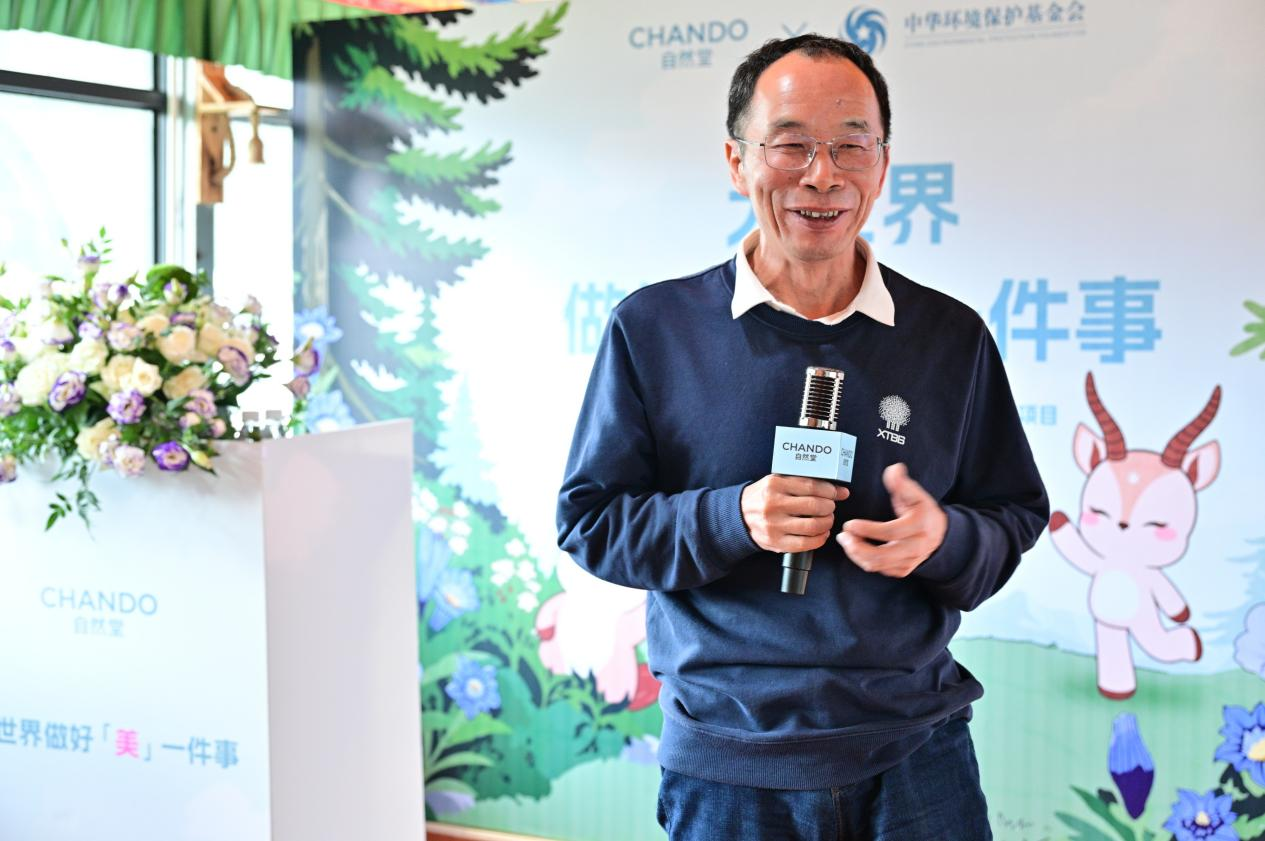
Professor Yang Yongping, Researcher at the Xishuangbanna Tropical Botanical Garden, Chinese Academy of Sciences
Liu Guangyu, Senior Engineer at the Xishuangbanna Tropical Botanical Garden of the Chinese Academy of Sciences, added that the publication goes far beyond a conventional popular science guide to plants; it is a collection of remarkable survival strategies found among life in the snow-covered plateau. He also praised CHANDO’s sustainable exploration of using technology to connect people and nature, offering the public a new perspective from which to appreciate the beauty of the plateau.
Zhang Lin, Researcher at the Institute of Tibetan Plateau Research of the Chinese Academy of Sciences, shared details of the guide’s compilation. From nearly 1,000 species of vascular plants found on Mount Sejila, the research team conducted multiple rounds of selection before ultimately including 111 representative rare wild plant species. The team carefully considered how the species should be organized and ultimately structured the chapters around plant survival strategies, significantly lowering the barrier to understanding for general readers.
Wu Jiaxuan, Editor at China Meteorological Press of the China Meteorological Administration, then delivered a presentation titled “Tracing the Plateau, Recording Its Flora,” sharing the thoughtful approach behind the publication’s design. From a cover incorporating Tibetan-inspired elements and exposed-spine thread-sewn binding to original hand-drawn illustrations paired with photographs from scientific field expeditions, the guide balances scientific rigor with an engaging reading experience. It represents both a lasting record of scientific research and a high-quality work of nature science education for the general public.
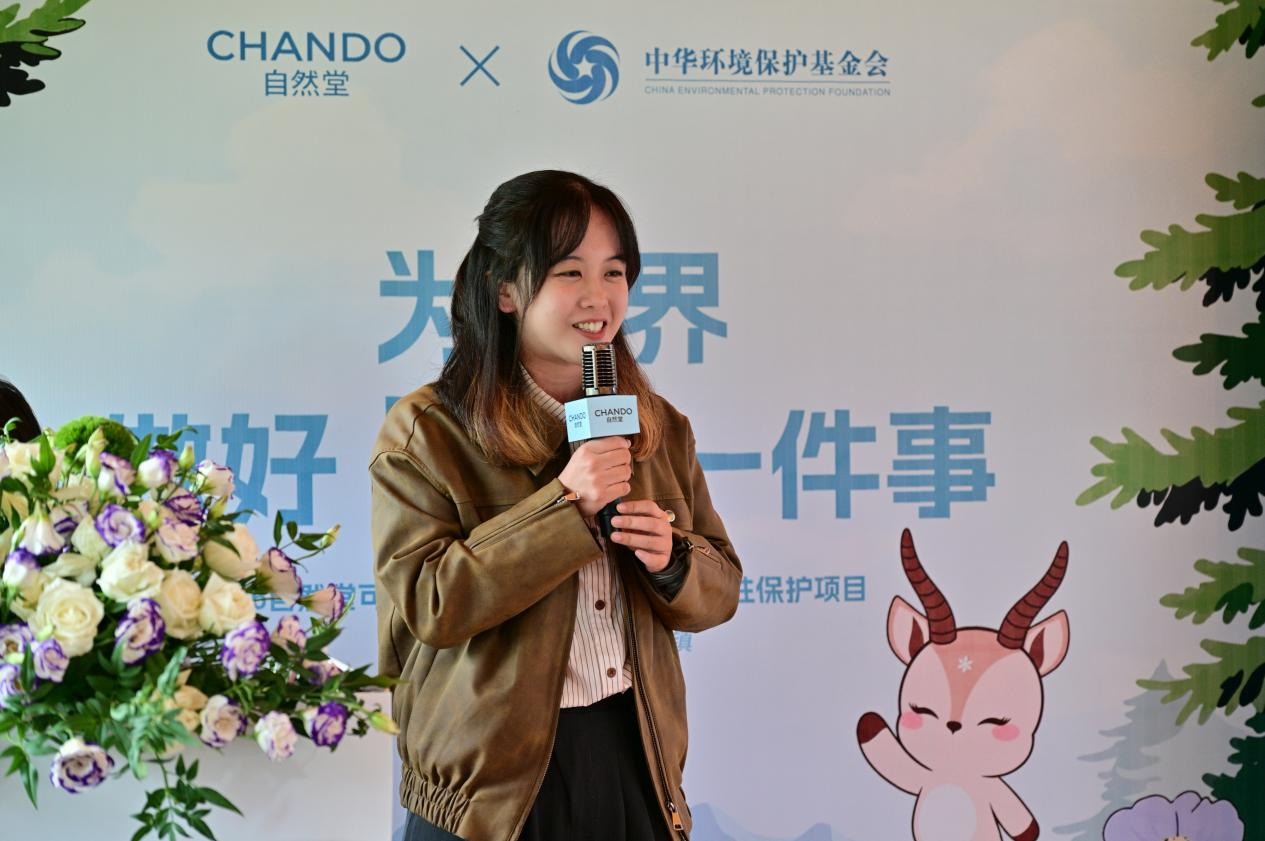
Wu Jiaxuan, Editor at China Meteorological Press of the China Meteorological Administration
Beyond their ecological and scientific value, Himalayan plants also carry significant medicinal and cultural importance. The launch event invited Luojie, Deputy Secretary of the CPC Committee and President of Nyingchi Tibetan Medicine Hospital, as well as a Deputy to the 12th People’s Congress of the Xizang Autonomous Region, to deliver a presentation on “The Distribution of Distinctive Tibetan Medicinal Plant Resources in Nyingchi, the ‘Land of Medicinal Plants.’” He noted that Nyingchi is widely known as a “natural museum of Tibetan medicinal plants,” with nearly 2,000 plant species found across the region, including more than 700 commonly encountered species. The alpine plants of Mount Sejila constitute not only an ecological treasure trove, but also traditional resources for supporting health, opening up broader possibilities for the sustainable use of biodiversity and adding further dimensions to the value of conservation.
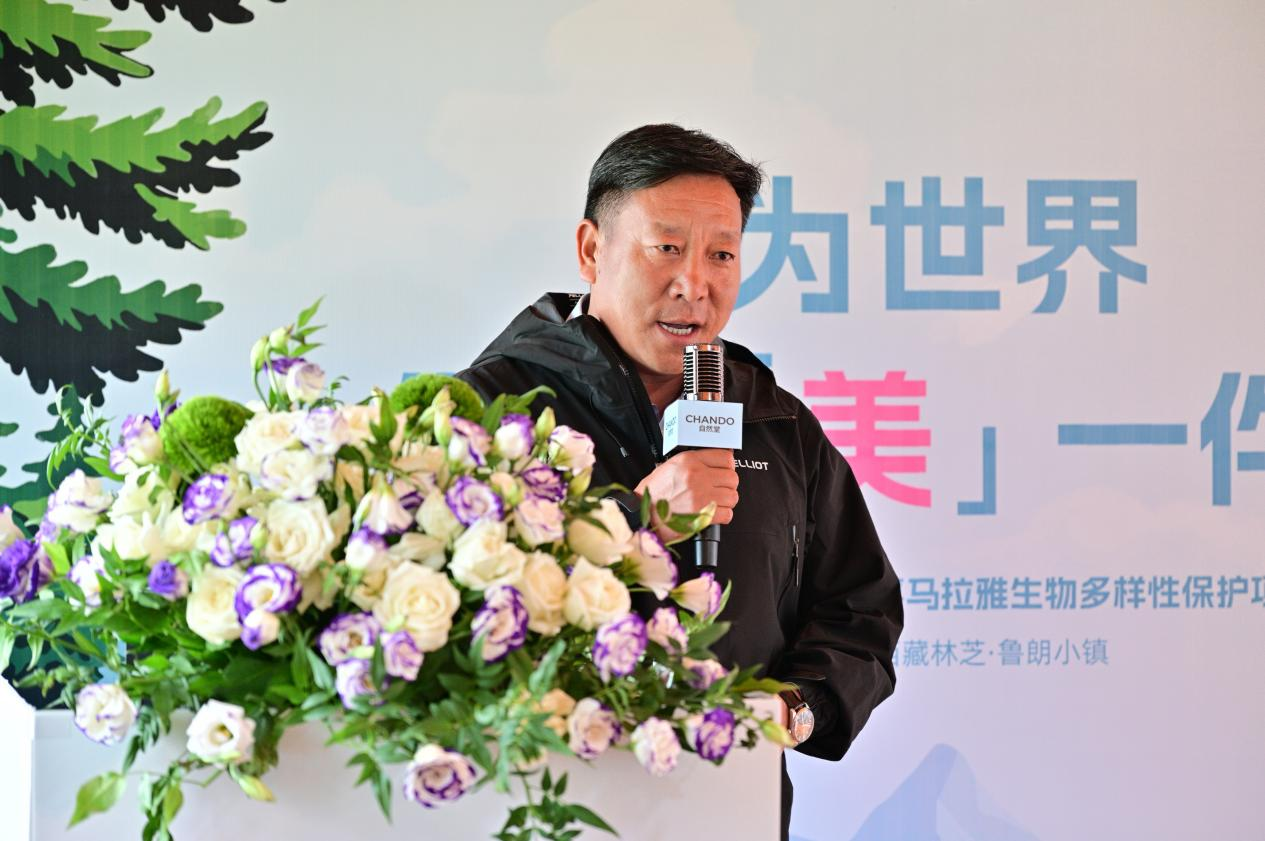
Luojie, Deputy to the 12th People’s Congress of the Xizang Autonomous Region, Deputy Secretary of the CPC Committee and President of Nyingchi Tibetan Medicine Hospital
The centerpiece of the event then commenced with the official unveiling of The Mysteries of the Himalayas: A Guide to Common Plants of Mount Sejila. Xu Guang, Chairman of the China Environmental Protection Foundation; Wang Zhengang, Deputy Secretary-General of the Foundation; Professor Yang Yongping, Researcher at the Xishuangbanna Tropical Botanical Garden of the Chinese Academy of Sciences; and Dr. Chen Juanling, General Manager of Public Affairs at CHANDO Group, jointly unveiled the guide. The publication, which brings together years of field research by the scientific team and documents the value of Himalayan biodiversity, officially made its debut. Guests witnessed this milestone connecting professional scientific research with public science education and celebrating the resilience of life on the plateau.
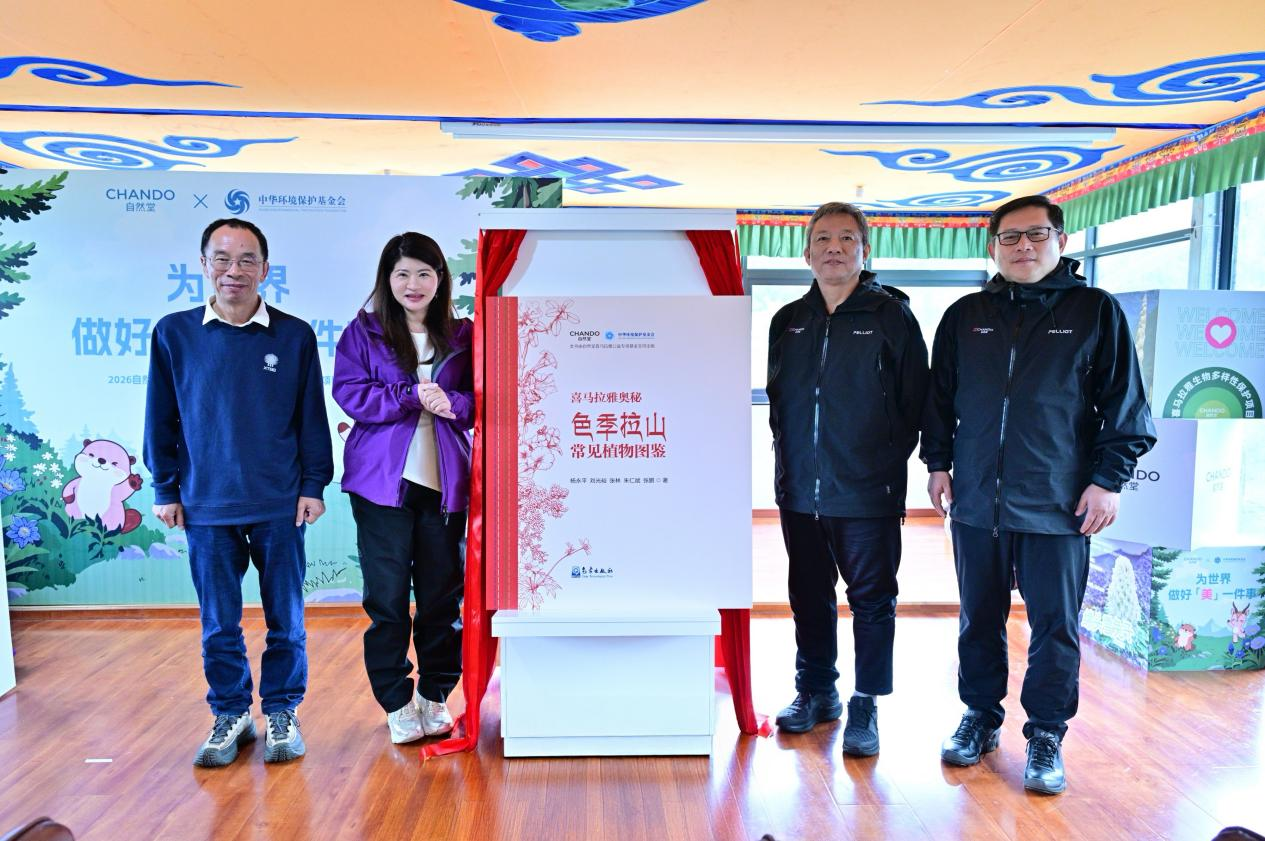
Unveiling Ceremony for The Mysteries of the Himalayas: A Guide to Common Plants of Mount Sejila
Putting Benefit-Sharing into Practice: Extending the Benefits of Conservation to Local Communities and Consumers
For CHANDO, biodiversity conservation has never been about simply fencing off wilderness. It is about ensuring that the people who live on the land genuinely benefit from conservation and become active participants in protecting it. From the original “CHANDO Planting Grass in the Himalayas” initiative, which planted a cumulative 6.66 million square meters of grassland in the Shigatse region over eight years and contributed to a 50% year-on-year increase in per capita income among local herders, generating ecological, economic and social benefits; to the establishment of the CHANDO Group Himalayan Research Center, which provides high-quality local employment opportunities ranging from research support to site management; and the adoption and conservation of 1,000 century-old peach trees across 120,000 square meters in the Bomi Ancient Peach Forest Conservation Area, where villagers participate in the care of ancient trees while sharing in the economic benefits generated by peach-kernel ingredients and cultural and creative products made from peach stones — conservation is gradually being transformed from an “external task” into a source of sustainable livelihoods for local communities.
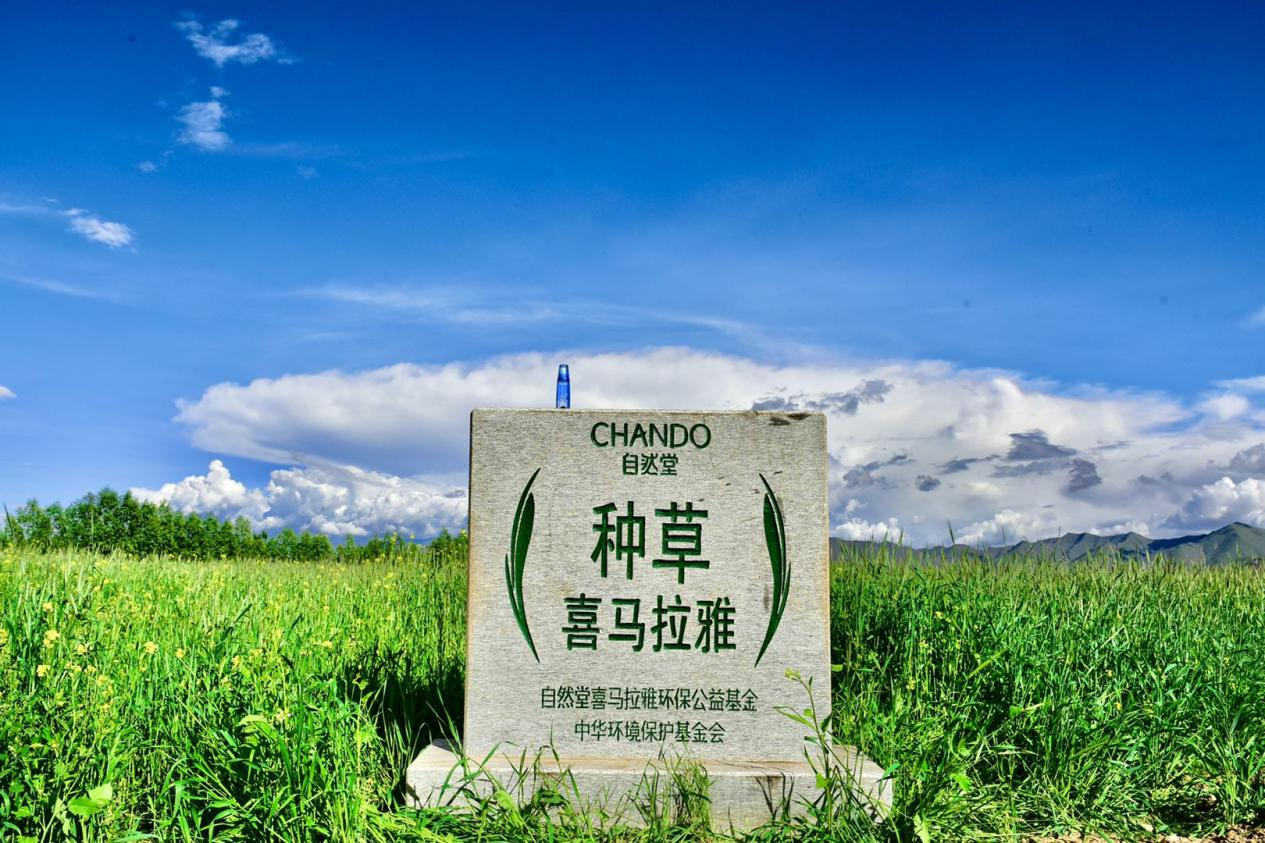
CHANDO Planting Grass in the Himalayas
These benefits extend even further. In public welfare, the “CHANDO Spring Bud Education Support Initiative” has donated a cumulative RMB 5.6 million over three years, benefiting 860 female students in Xizang and supporting the growth and development of girls on the plateau. In culture and tourism, CHANDO has served as the principal sponsoring partner of the Nyingchi Peach Blossom Festival for three consecutive years, while the CHANDO Himalayan Extreme Trail Run became Xizang’s first 100-kilometer race to receive ITRA points certification, providing sustained support for plateau culture and tourism. In cultural heritage, CHANDO has collaborated with a nationally recognized inheritor of Bangdian intangible cultural heritage to develop co-branded products, helping bring traditional Tibetan craftsmanship to a broader audience through the brand.
Creating a More Beautiful World, Advancing Toward a Future of Harmony Between Humanity and Nature
Drawing on the United Nations’ 17 Sustainable Development Goals (SDGs), CHANDO Group launched its new 2030 Sustainability Strategy in 2024, placing “Addressing Climate Change and Protecting Biodiversity” at the top of its 12 strategic objectives. In active response to the three core objectives of the Convention on Biological Diversity (CBD) — biodiversity conservation, the sustainable use of biological resources and benefit-sharing — CHANDO Group comprehensively upgraded its eight-year “CHANDO Planting Grass in the Himalayas Environmental Public Welfare Project” in 2025 into the “CHANDO Sustainable Himalayan Biodiversity Conservation Project” for 2025–2030.
The 2026 CHANDO Sustainable Himalayan Biodiversity Conservation Project represents not only an in-depth exploration of Himalayan biodiversity, but also a tangible commitment to corporate social responsibility and sustainable development. Through the new book launch, scientific field expeditions, academic exchanges and community engagement, CHANDO has further reinforced its founding commitment to “Drawing from Nature, Giving Back to Nature,” demonstrating the responsibility and innovation of a leading Chinese cosmetics company in advancing ecological civilization.
Looking ahead, CHANDO will continue to work with governments, public welfare organizations, local communities and other stakeholders to protect Himalayan biodiversity, “Creating a More Beautiful World” and advancing toward a future in which humanity and nature coexist in harmony.