
From September 5 to 7, 2025, CHANDO officially launched the Sustainable Himalayan Biodiversity Conservation Project. Under the theme “Creating a More Beautiful World,” the initiative explored innovative pathways for biodiversity conservation and sustainable development in the Himalayan region through a range of activities, including a science education micro-exhibition, field studies and academic seminars.
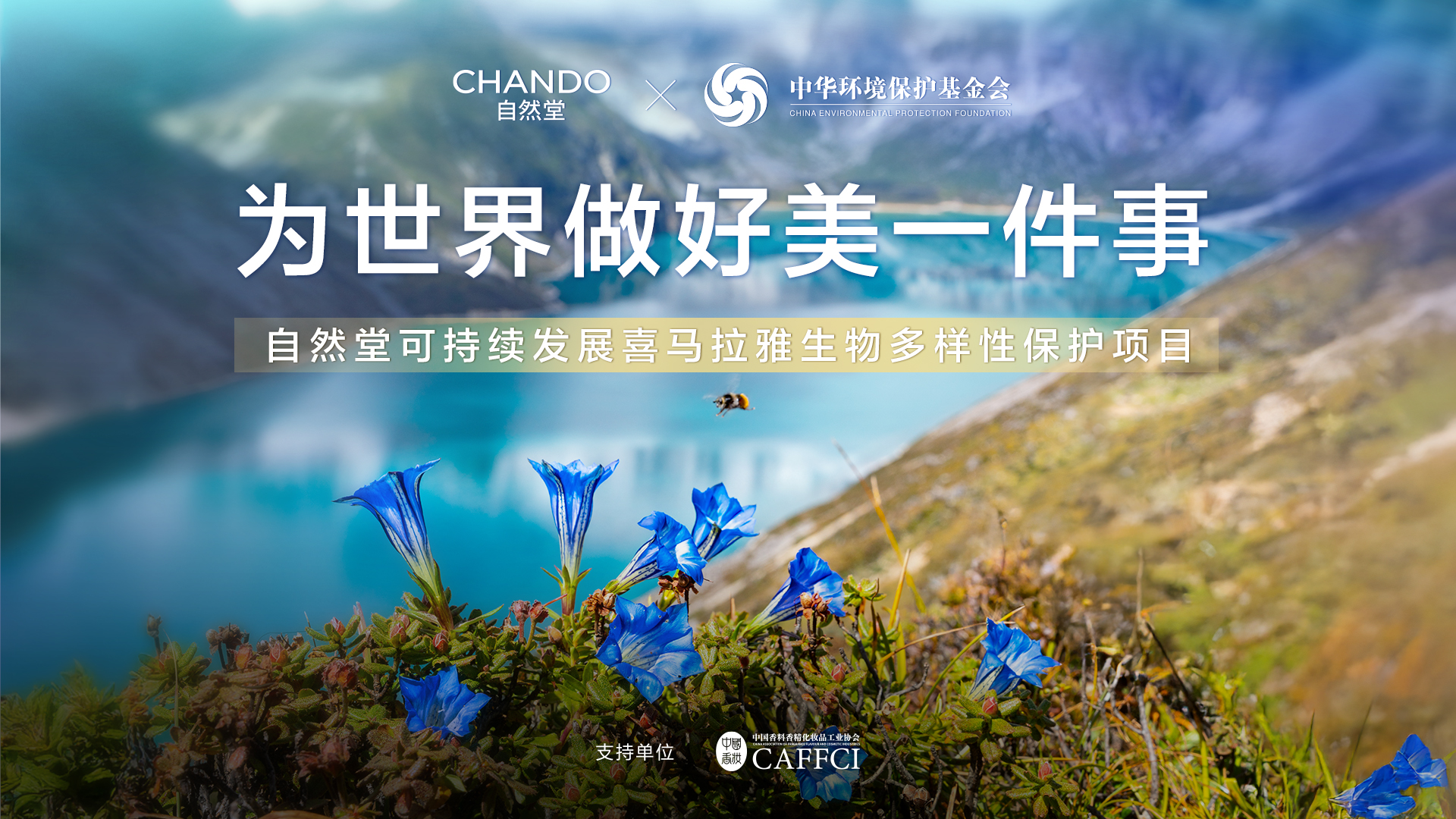
CHANDO Sustainable Himalayan Biodiversity Conservation Project
Drawing on the United Nations’ 17 Sustainable Development Goals (SDGs), CHANDO Group launched its new 2030 Sustainability Strategy in 2024, placing “Addressing Climate Change and Protecting Biodiversity” at the top of its 12 strategic objectives. In active response to the three core objectives of biodiversity conservation, sustainable use of biological resources and benefit-sharing set out under the Convention on Biological Diversity (CBD) in 2022, CHANDO Group has comprehensively upgraded its “CHANDO Planting Grass in the Himalayas Environmental Public Welfare Project,” which ran from 2016 to 2024, into the “CHANDO Sustainable Himalayan Biodiversity Conservation Project” for 2025–2030. Through more systematic and science-based actions, the Group aims to promote coordinated environmental, social and corporate development across the Himalayan region.
From Awareness to Action: Discovering the Biodiversity of the Third Pole
The Himalayas are not only a source of inspiration and ingredients for CHANDO’s pursuit of beauty, but also one of the world’s most significant reservoirs of biodiversity. As a vital foundation for biodiversity conservation, science education serves as an essential bridge connecting the public with rare and valuable ecosystems while promoting the principles of sustainable development. Against this backdrop, CHANDO partnered with the China Environmental Protection Foundation to establish the Himalayan Science Education Micro-Exhibition. Through two key themes — “CHANDO and the Himalayas” and “Rare Himalayan Plants” — the exhibition systematically showcases CHANDO’s Himalayan-derived ingredient technologies and applications, the ecological value of 33 nationally protected rare plant species, as well as the brand’s major initiatives in biodiversity conservation, sustainable use and benefit-sharing. Through science-based introductions to distinctive Himalayan cosmetic ingredients, including glacial water, gentian and HiMurchaSin®, together with immersive experiences featuring products that incorporate these ingredients, the exhibition brings to life CHANDO’s 16-year journey alongside the Himalayas and its enduring commitment to “Drawing from Nature, Giving Back to Nature.”
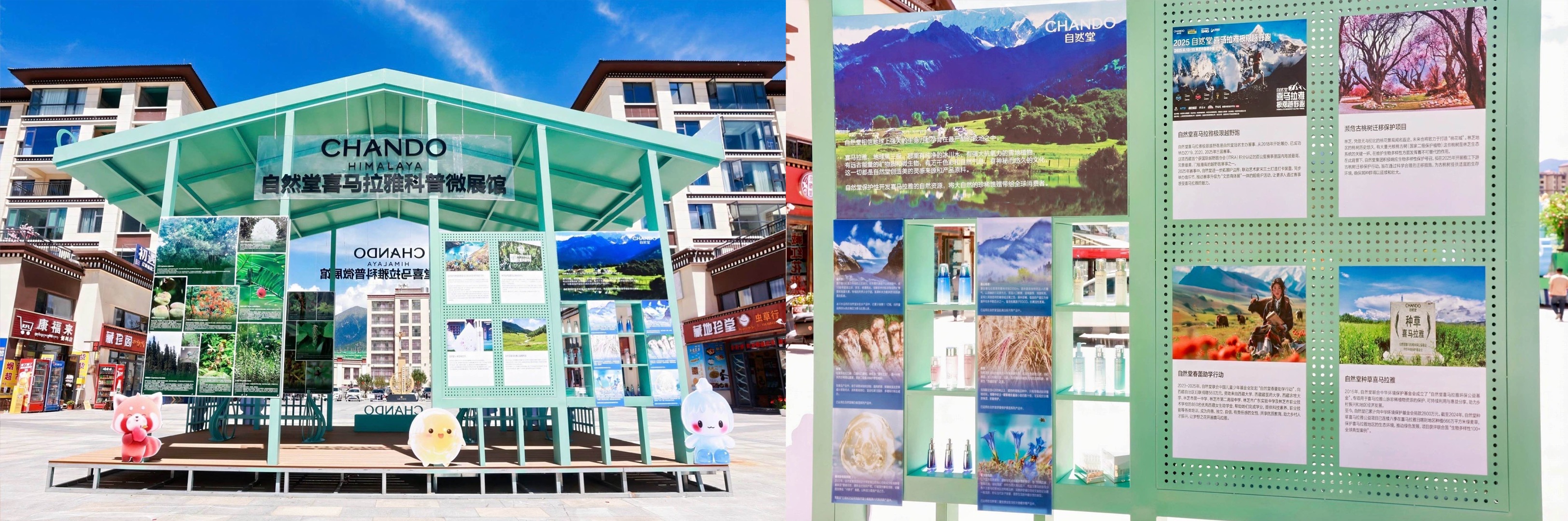
CHANDO Himalayan Science Education Micro-Exhibition
To vividly showcase the extraordinary diversity of life in the Himalayas, on September 7, CHANDO organized a field expedition for more than 50 experts, scholars and media representatives to Mount Sejila at an altitude of 4,500 meters. Participants completed a 200-meter ascent to study the alpine timberline landscape of Abies georgei var. smithii forests and the long-term alpine timberline field observation system. They also observed the natural habitats of rare plateau plants, including snow lotus, Himalayan rhubarb, Rhodiola, Gymnadenia and rhododendrons, gaining first-hand insight into the unique value of Himalayan biodiversity.
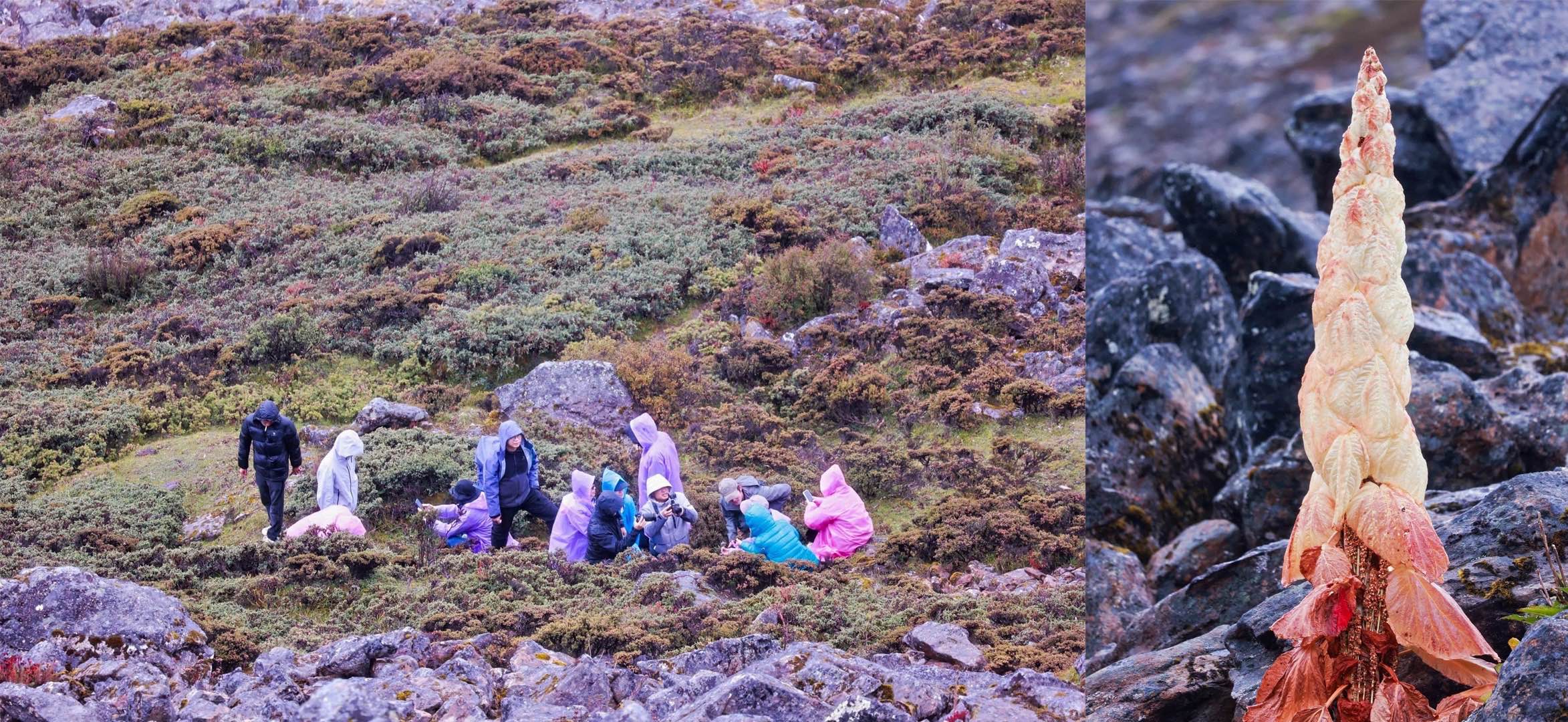
Biodiversity Field Study on Mount Sejila
As part of the initiative, CHANDO introduced an innovative approach to public welfare engagement by partnering with Tmall Heybox to establish a co-branded exhibition space at the CHANDO Himalayan Public Welfare Botanical Garden. Alongside field observations of ecological cultivation and artificial domestication projects for alpine plants such as gentian, participants gained deeper insights into CHANDO’s long-term research on Himalayan-derived ingredients, particularly its research achievements in the field of microorganisms.
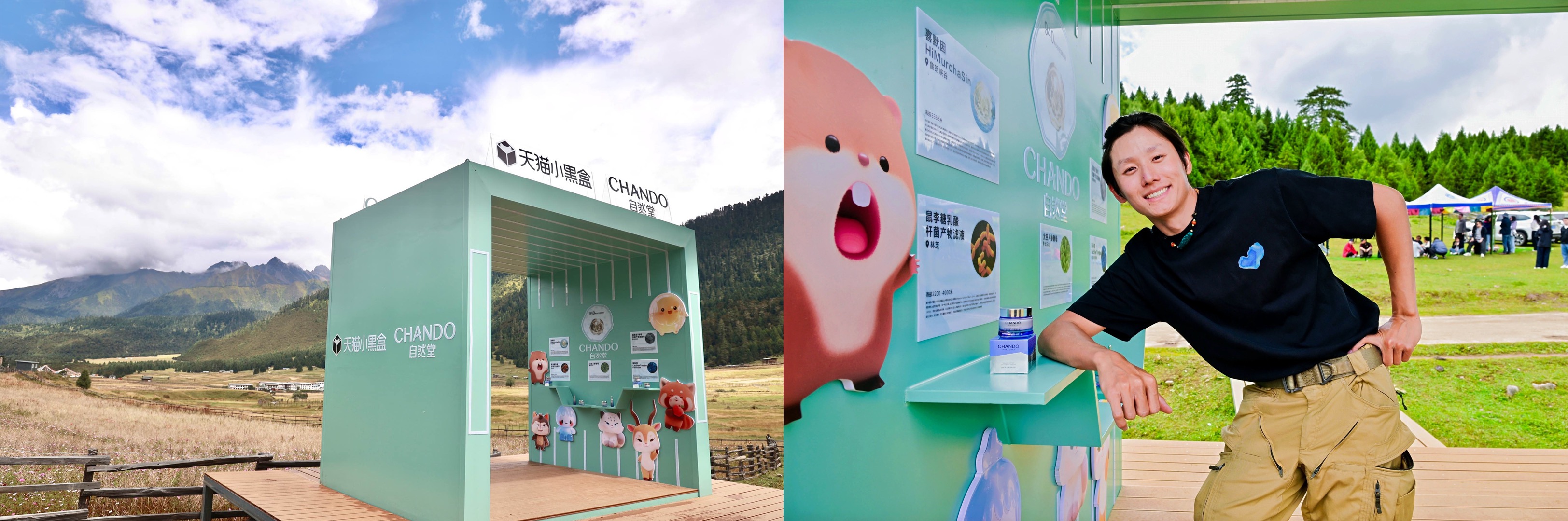
CHANDO × Tmall Heybox Co-Branded Exhibition Space
At the same time, CHANDO introduced a limited-edition eco-friendly gift box inspired by Himalayan plants. All paper-based packaging is made from recycled paper, reducing carbon dioxide emissions by 1,470 g compared with virgin materials. The gift boxes will be offered to consumers through CHANDO’s official livestreaming channel and influencer livestreams, turning “Creating a More Beautiful World” from a shared philosophy into an everyday action that everyone can participate in, bringing the spirit of public welfare initiatives into consumers’ daily lives and engaging a broader audience.
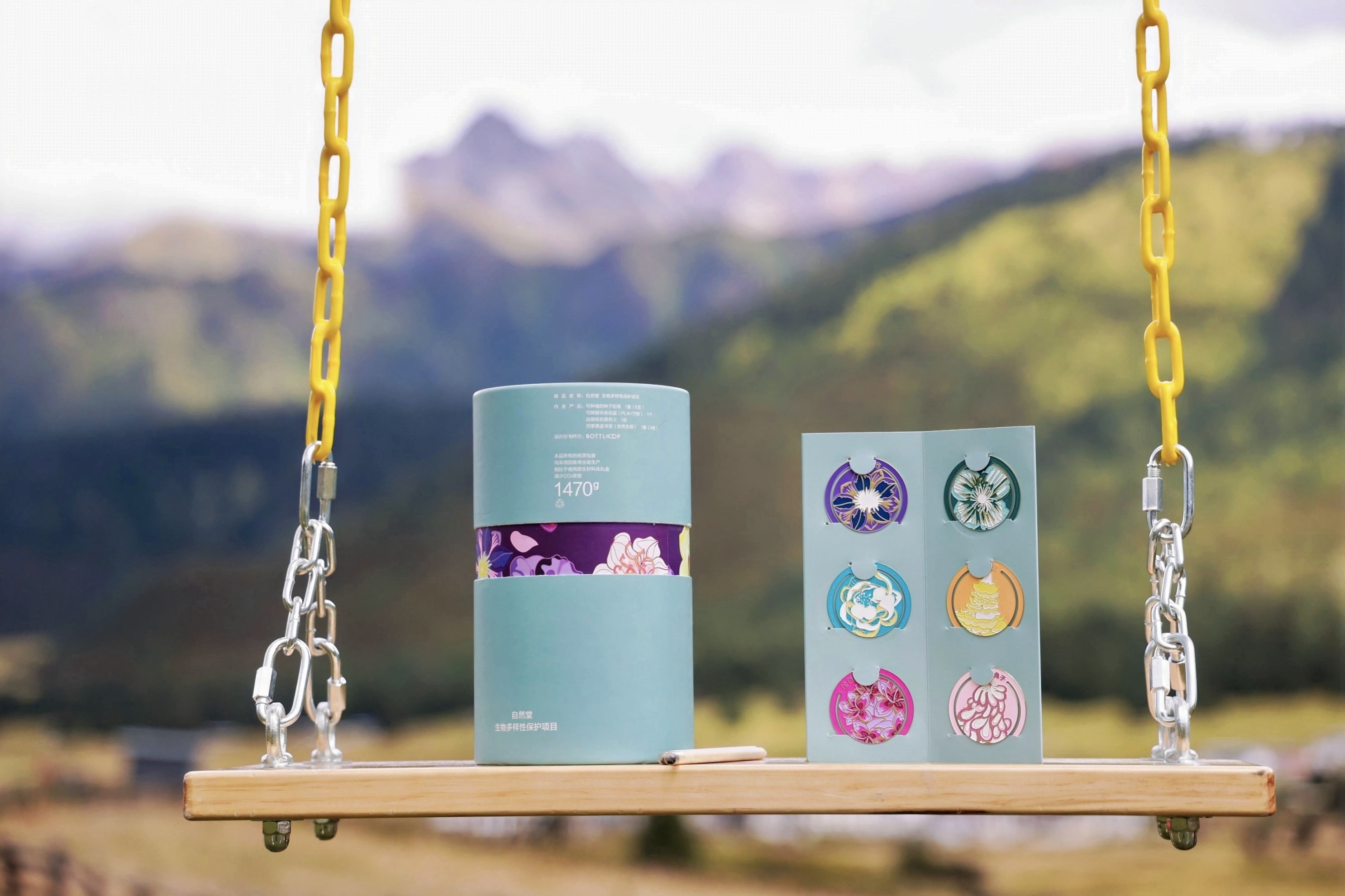
CHANDO Biodiversity Conservation Eco-Friendly Gift Box
Building Cross-Sector Consensus to Explore Himalayan Biodiversity Conservation
Biodiversity conservation cannot be achieved by any single stakeholder alone. It is a systemic undertaking that requires close engagement and cross-sector collaboration among governments, businesses, research institutions, social organizations and other stakeholders. On September 7, CHANDO hosted the Himalayan Biodiversity Conservation Seminar. Participants included Xu Guang, Chairman of the China Environmental Protection Foundation; Dr. Zhang Lin, Researcher at the Institute of Tibetan Plateau Research, Chinese Academy of Sciences; Professor Yang Yongping, Researcher at the Xishuangbanna Tropical Botanical Garden, Chinese Academy of Sciences; Dr. Yan Jiangying, Chairman of the China Association of Fragrance Flavour and Cosmetic Industries; Dr. Chen Juanling, General Manager of Public Affairs at CHANDO Group; Zhao Dali, Executive Vice President of the China International Public Relations Association; and more than 50 experts, scholars, media representatives and KOLs from various fields.
In his remarks, Xu Guang, Chairman of the China Environmental Protection Foundation, stated that the Foundation has actively responded to national initiatives and carried out a series of ecological conservation projects in Xizang in recent years. As a long-term strategic partner, CHANDO Group has worked with the Foundation to establish the “CHANDO Himalayan Public Welfare Special Fund,” a representative example of this collaboration. Over the nine years since its establishment, the Fund has grown to more than RMB 29 million and supported initiatives across the Himalayan region, including “CHANDO Planting Grass in the Himalayas,” the “Gentian Ecological Cultivation Demonstration Project,” major disaster relief efforts in Xizang and biodiversity conservation programs. These initiatives have not only contributed effectively to ecological and environmental conservation in Xizang, but have also supported local economic development and improved the livelihoods of local residents.
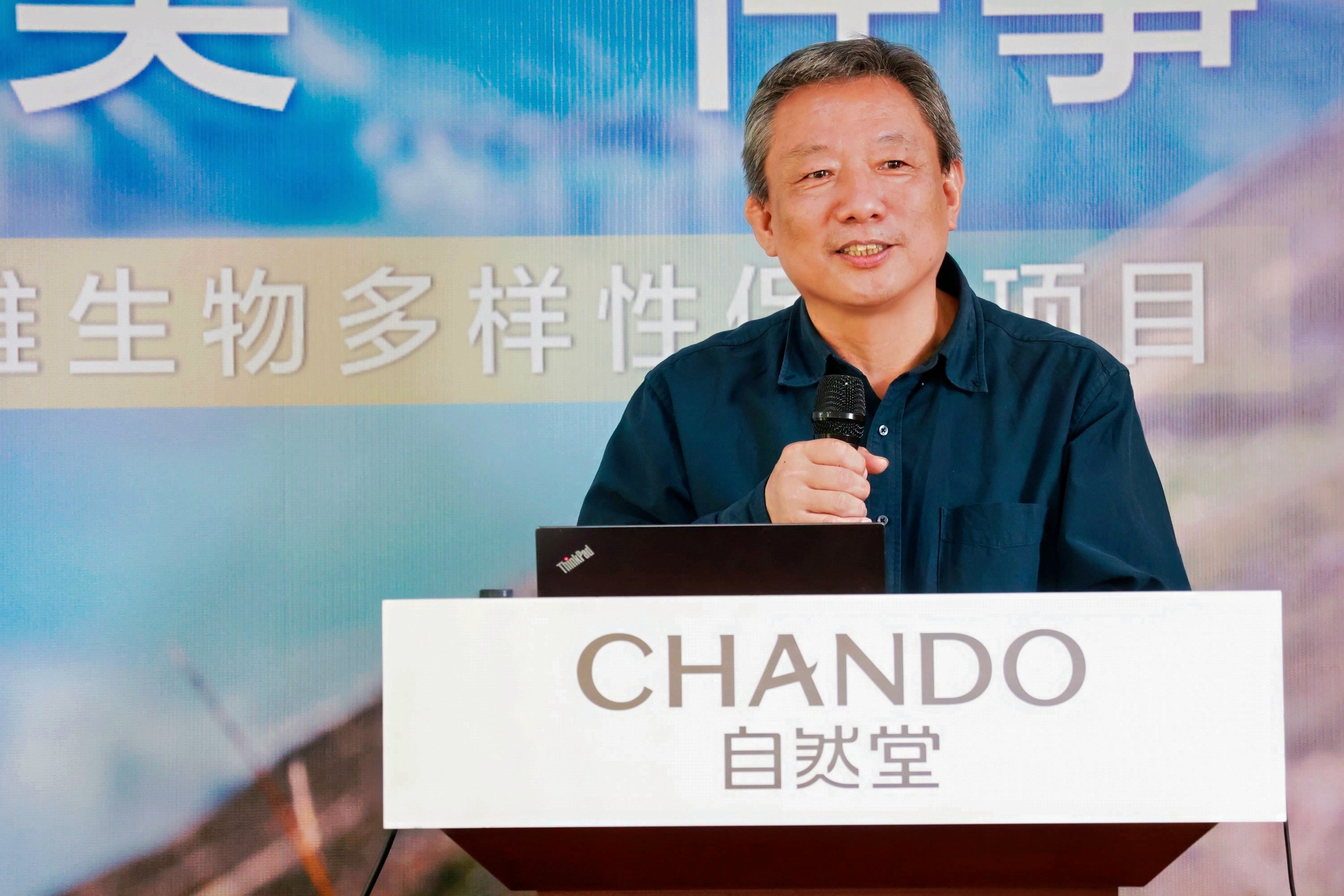
Xu Guang, Chairman of the China Environmental Protection Foundation
Dr. Yan Jiangying, Chairman of the China Association of Fragrance Flavour and Cosmetic Industries, addressed the intrinsic connection between the beauty industry and ecological conservation from an industry-wide perspective. In her remarks, she noted: “At its core, the beauty industry draws inspiration and resources from nature. Yet nature’s gifts are not inexhaustible. Only by protecting biodiversity can we ensure that nature continues to nourish us. This is precisely what makes CHANDO Group’s biodiversity conservation initiative so meaningful.” She also spoke highly of CHANDO Group’s sustainability practices: “CHANDO Group has consistently explored new models of sustainable development and stands as one of the leading examples of ESG practices in the cosmetics industry.”
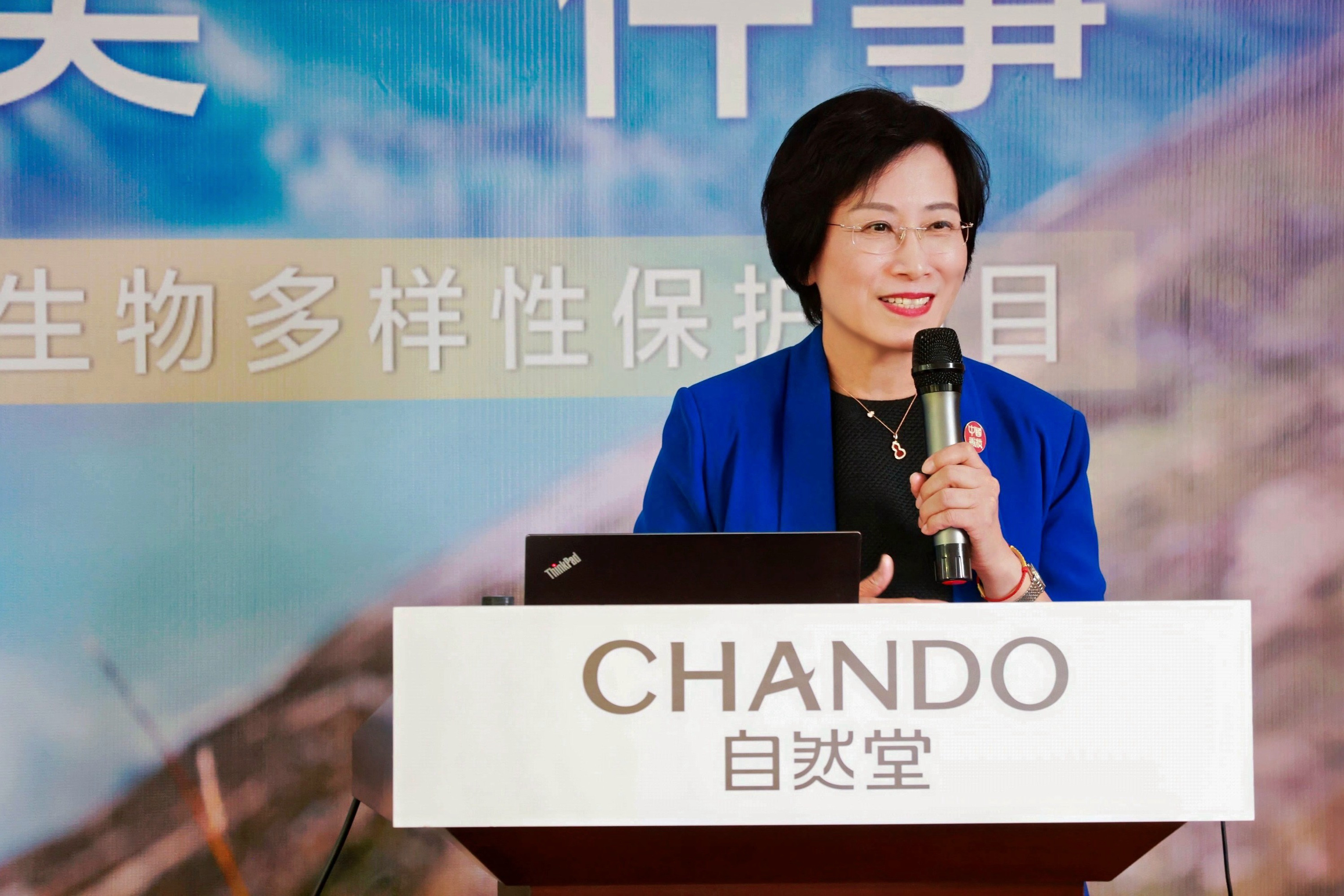
Dr. Yan Jiangying, Chairman of the China Association of Fragrance Flavour and Cosmetic Industries
Professor Yang Yongping, Researcher at the Xishuangbanna Tropical Botanical Garden, Chinese Academy of Sciences, delivered a presentation titled “The Value of the Himalayan Region in Global Biodiversity Conservation.” From a scientific perspective, he systematically explained the unique value and conservation significance of the Himalayas as a global biodiversity hotspot and shared insights into the growth characteristics and survival strategies of alpine plants. Professor Yang noted: “The Himalayan region is one of the most distinctive ecosystems on Earth and holds exceptional importance for global biodiversity conservation.” He also proposed five recommendations: strengthening international cooperation, establishing protected areas, safeguarding traditional knowledge, enhancing scientific research and monitoring, and promoting sustainable development. These recommendations provide a scientific foundation and direction for CHANDO Group’s biodiversity conservation efforts.
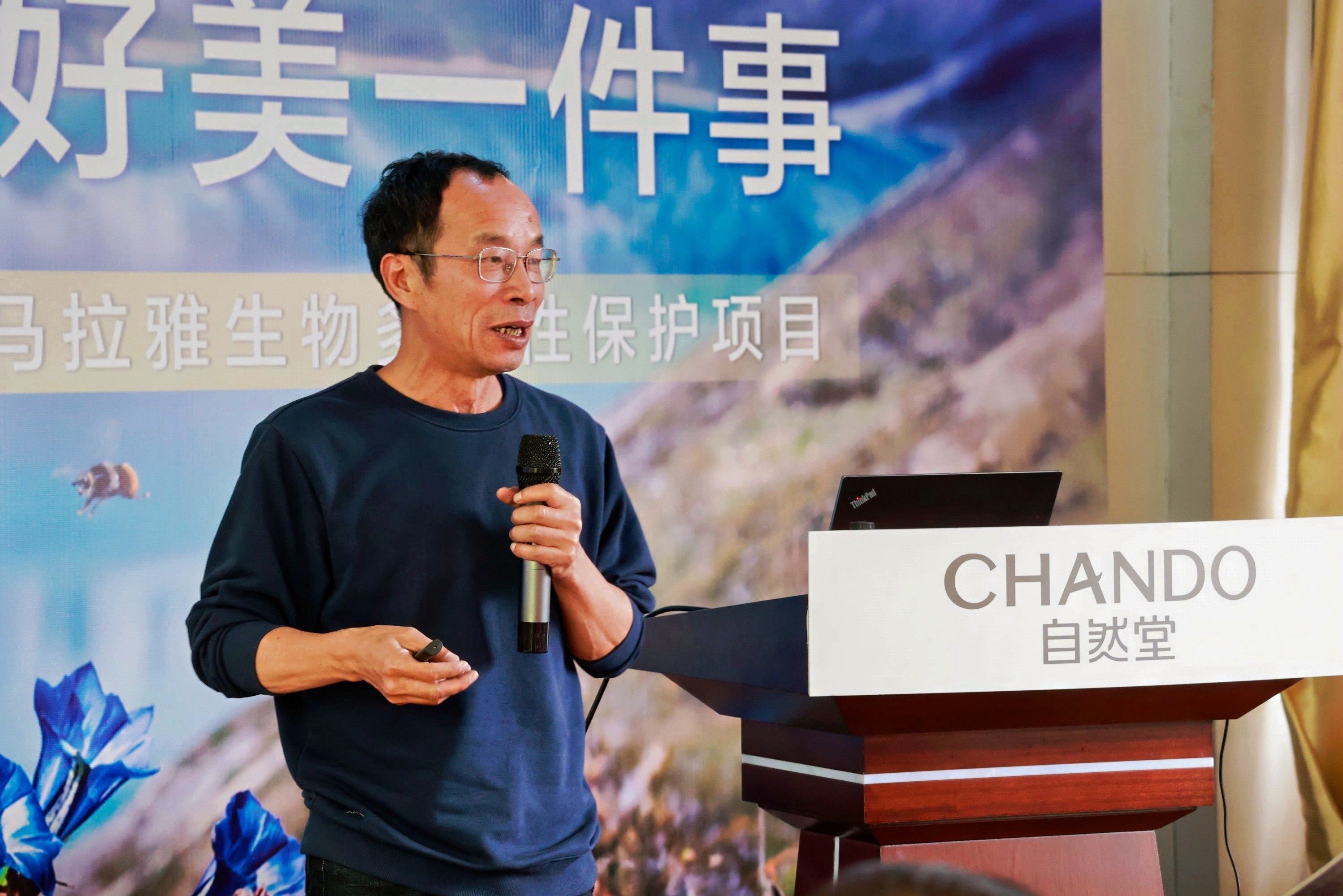
Professor Yang Yongping, Researcher at the Xishuangbanna Tropical Botanical Garden, Chinese Academy of Sciences
Under the theme “Protecting Himalayan Biodiversity, Advancing Toward a Sustainable Future,” Dr. Chen Juanling, General Manager of Public Affairs at CHANDO Group, shared CHANDO’s 16-year journey of growing alongside the Himalayas and outlined its plans for the future. She said: “For CHANDO, the Himalayas are not only a source of inspiration for the brand and product innovation, but also represent a unique responsibility that we must approach with reverence and give back to through our corporate responsibility.” The newly upgraded CHANDO Sustainable Himalayan Biodiversity Conservation Project also signals CHANDO’s commitment to implementing a series of conservation initiatives in the years ahead, with the aim of advancing the three core objectives of biodiversity conservation, sustainable use of biological resources and benefit-sharing. CHANDO also looks forward to joining hands with more like-minded partners, moving forward with reverence toward a thriving and sustainable future.
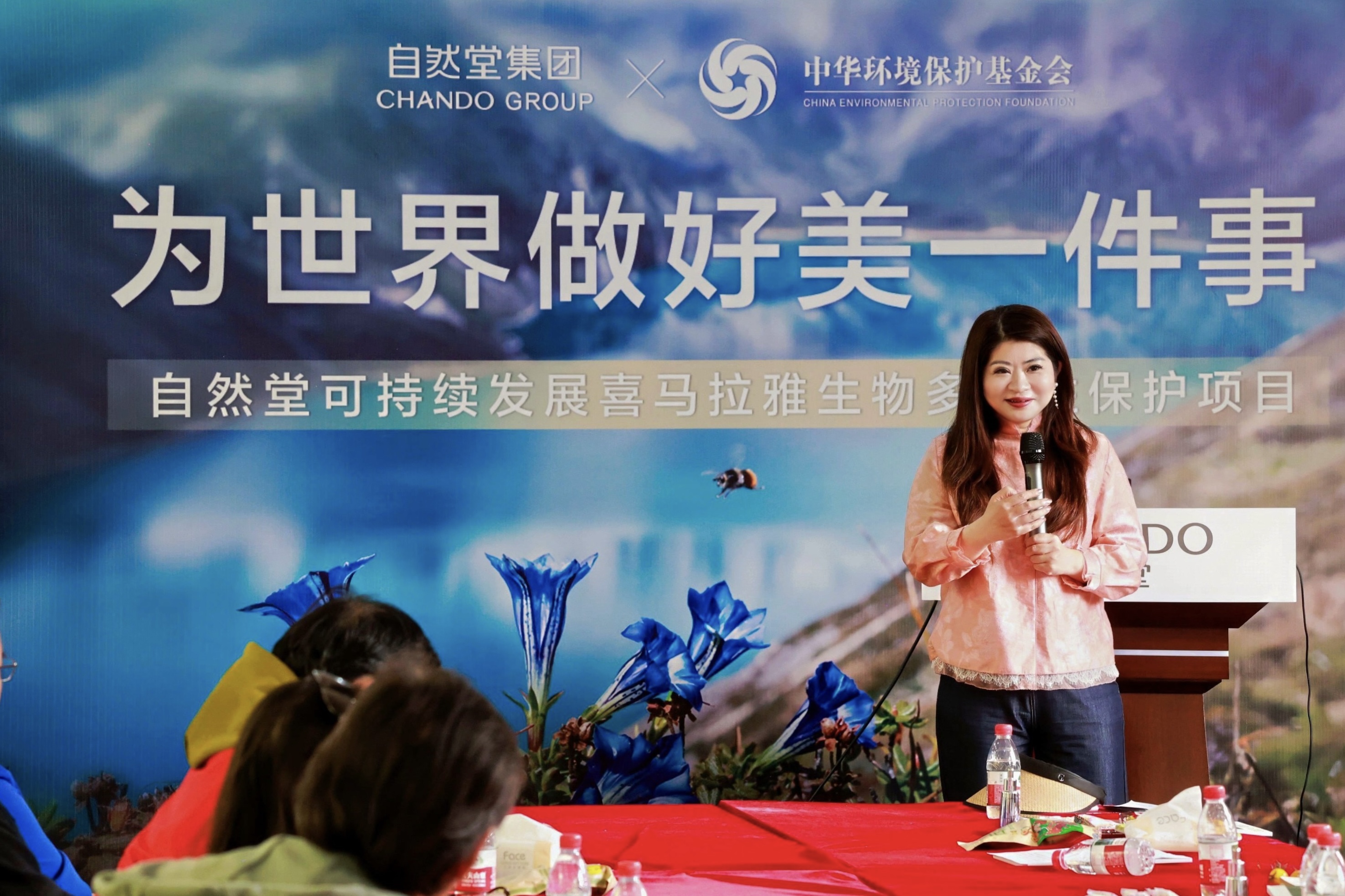
Dr. Chen Juanling, General Manager of Public Affairs at CHANDO Group
During the seminar, participating experts and media representatives also engaged in an open discussion on topics including “how to balance conservation and development” and “how different industries can contribute to the sustainable development of local communities.” The lively exchange of perspectives and ideas generated valuable insights and directions for advancing sustainable development.
Putting Benefit-Sharing into Practice: Extending the Benefits of Conservation to Local Communities and Consumers
From the eight-year “CHANDO Planting Grass in the Himalayas” initiative to the three-year “CHANDO Spring Bud Education Support Initiative,” and from the Nyingchi Peach Blossom Festival to cultural and tourism initiatives such as the CHANDO Himalayan Extreme Trail Run, CHANDO has consistently regarded benefit-sharing as an integral part of sustainable development. Through these initiatives, the brand is committed to promoting local economic development, preserving traditional culture, and sharing the benefits of development with local communities and consumers around the world. As part of this latest initiative, CHANDO established a dedicated Beauty Space in Tashigang Village and introduced training courses for local makeup artists. In addition to giving local residents access to professional skincare and beauty services, the initiative creates more diverse employment opportunities for people in Xizang, bringing “beauty” into the everyday lives of local families.

CHANDO Beauty Space
Creating a More Beautiful World, Advancing Toward a Future of Harmony Between Humanity and Nature
As Dr. Chen Juanling said: “CHANDO has been on this journey for 16 years, and our 2025–2030 Biodiversity Conservation Project means that our commitment for the next five years has only just begun.”
The CHANDO Sustainable Himalayan Biodiversity Conservation Project represents not only an in-depth exploration of Himalayan biodiversity, but also a tangible commitment to corporate social responsibility and sustainable development. Through scientific field studies, academic exchange and community engagement, CHANDO has further reinforced its founding commitment to “Drawing from Nature, Giving Back to Nature,” demonstrating the responsibility and innovation of a leading Chinese cosmetics company in advancing ecological civilization.
Looking ahead, CHANDO will continue to work with governments, public welfare organizations, local communities and other stakeholders to protect Himalayan biodiversity, “Creating a More Beautiful World” and advancing toward a future in which humanity and nature coexist in harmony.